

























































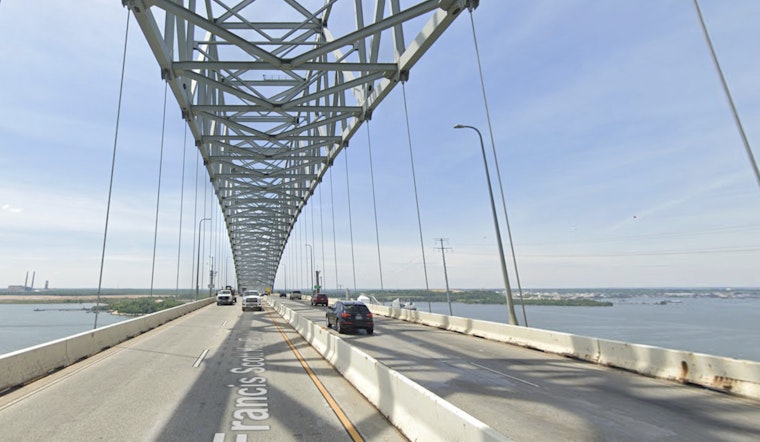
In the wake of the unexpected Francis Scott Key Bridge collapse in Baltimore, Georgia is gearing up to become a temporary home for rerouted vehicle cargo. The Port of Brunswick, as well as the Savannah seaport, are bracing for an influx of automobiles that can no longer pass through Baltimore, which until recently, held the title as the nation's busiest in handling "ro-ro" cargo — the likes of cars, buses, and train cars.
While the logistics industry scrambles to redirect shipments, auto companies are already in talks with the Port of Brunswick to transfer car shipments there. Sina Golara, an assistant professor of supply chain management at Georgia State University, highlighted the substantial capacity of Georgia’s ports but also noted the challenges that may accompany the sudden shift. "Georgia should have quite a bit of capacity, but because of this, it will come as a surprise for them. And the quantities are really significant. I think it will be a challenging task for them," Golara said in a statement obtained by WABE.
The Port of Brunswick is familiar with heavy traffic, being the country's second busiest port for vehicles and similar cargo. In preparation for future demands, the port is in the midst of expanding to hold an estimated 1.5 million vehicles, up from its current capacity of around 900,000. With over $262 million invested in recent upgrades, Georgia seems poised to handle the additional traffic brought on by Baltimore's mishap.
Last year, according to WABE, the Georgia Ports Authority reported that Brunswick port handled 775,000 auto and heavy machinery units. These numbers are expected to climb as the port takes on diverted shipments originally destined for Baltimore. State Sen. Derek Mallow, who represents District 2, which includes Savannah, echoed this sentiment expecting an increase in cargo for Georgia ports.
This sudden detour in shipping routes is more than a mere blip on the radar for the domestic transportation network; it is a test of Georgia's infrastructure and capacity. Industry experts and local authorities alike are closely monitoring the situation, ensuring that the flow of trade remains as steady as possible in the face of infrastructure challenges. The collapse of Baltimore's bridge has, in a twist of fate, thrust Georgia into the forefront of the shipping industry, at least for the now.



-4.webp?w=160&h=400&fit=crop&crop=edges)
