

























































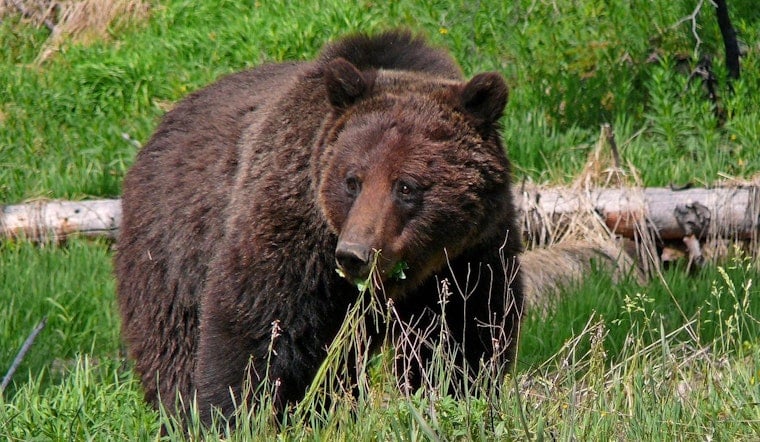
Bears might be on the brink of a comeback in Washington's North Cascades, or so says the National Park Service (NPS) and the U.S. Fish and Wildlife Service (USFWS). The agencies have dropped their final Environmental Impact Statement (EIS) on the proposed move to bring grizzly bears back into the mix, selecting their preferred alternative to reintroduce the animals and stir up the ecosystem.
This plan hinges on an "experimental population" designation under section 10j of the Endangered Species Act, which, basically, gives the feds some elbow room to manage the program. A decision on the 10j rule and the whole EIS shebang will come later, so don't hold your breath just yet. The state's Washington Department of Fish and Wildlife (WDFW) has been in the trenches with the feds during this planning phase, bringing that local know-how to the table.
If all goes according to the feds' hopes, the WDFW will be boots on the ground, dealing with the not-so-cuddly side of bear-human mingling and keeping tabs on the grizzlies. In a statement, WDFW Wildlife Program Director Eric Gardner said, "WDFW is dedicated to our role to conserve and manage wildlife in Washington, including for grizzly bears. By selecting an action alternative that includes the 10j rule, the federal agencies have set the stage for significant management flexibility should restoration implementation occur."
There's a catch though, Washington state has its own rules about importing these big furballs. By law, the state can't just ship in grizzlies willy-nilly – they have to work with what they've got within state borders. Plus, any talk of grizzly management has to go through a local-to-federal pipeline. It's not just about fetching bears from elsewhere; it's a full-on discussion between agency bigwigs.
For years now, WDFW has been on the grizzly grind, doing everything from public education to making sure the trash cans are bear-proof, all in the name of reducing negative interactions between bears and humans. And they aren't new to the bear biz either – they've been working with the USFWS in the Selkirk Mountains to manage the few grizzlies still hanging around. With the federal recovery plans as their North Star, they aim to keep the species from being just a tall tale for the next generation of hikers and nature lovers.





