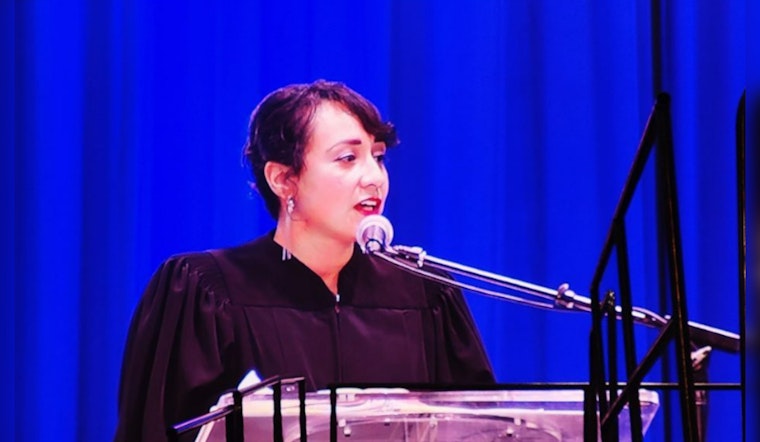
Harris County Judge Natalia Cornelio is in the middle of a heated dispute as accusations surface about her handling of death penalty cases. Prosecutors claim that Cornelio is slowing the wheels of justice by postponing decisions in capital cases including the high-profile case of Ronald Haskell, while Judge Cornelio faces critique over the apparent delay. Haskell, convicted of killing six members of the Stay family in 2014, was sentenced to death, a decision Cornelio inherited when she took the bench, reported the Houston Chronicle.
Amidst an environment where Cornelio has made prior statements against capital punishment, prosecutors have sought her recusal from the Haskell case, questioning her impartiality. "Judge Cornelio’s commentary would cause a reasonable person to question her impartiality, and raise doubt that she is unbiased,” Joshua Reiss, chief of Ogg’s post-conviction writs division, told Houston Chronicle. Cornelio declined to step down, passing the decision to the Eleventh Administrative Judicial Region of Texas.
However, the call for Cornelio's recusal is spurring debate about the overall state of Harris County's legal system. The HuffPost cites a report by the Wren Collective that criticizes Harris County's death penalty practices, highlighting systemic inefficiencies and conflicts of interest among defense attorneys assigned to these cases, as mentioned in Hoodline.
Defense attorney Benjamin Wolff argues for judicial independence and the necessity of thorough evidence review before making critical decisions, suggesting the prosecution's urgency might be at odds with the very concept of justice. The Harris County DA's Office, meanwhile, accuses Judge Cornelio of exacerbating the victims' families’ pain by not sticking to deadlines. The Houston Bar Association has indicated a need for improvement in Cornelio’s timeliness, further intensifying the scrutiny of the county’s criminal procedures.
The controversy not only surrounds the delays in capital punishment cases but also the broader implications it has for trust in the justice system. Critics say that while Cornelio is within her right to question capital punishment, she faces a conflict in presiding over such cases and must ensure fairness in her court. Cornelio, unopposed in the recent judicial race, continues to navigate the choppy waters of a system under scrutiny as the community awaits decisive answers.