

























































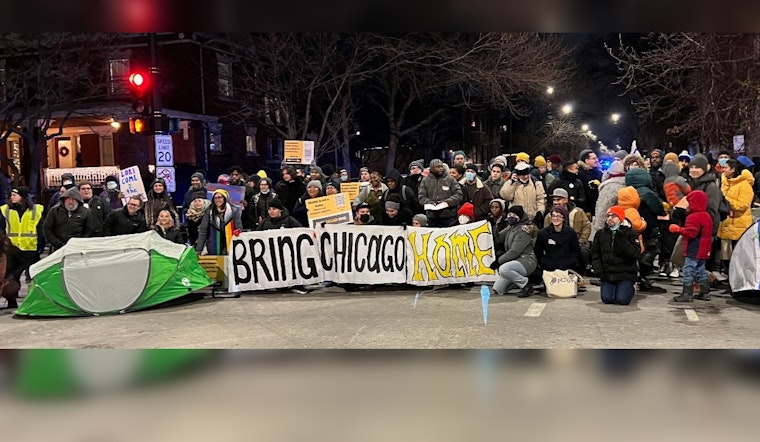
The battle over the Bring Chicago Home tax referendum is now in the hands of the Illinois Supreme Court after the Building Owners and Managers Association of Chicago (BOMA) and other real estate entities appealed on Monday, CBS reported. This legal wrangle centers on the contentious proposal to hike the real estate transfer tax on properties selling for over $1 million to fund homelessness initiatives. Last month, a Cook County judge declared the referendum invalid, but a state appellate court subsequently overruled this decision, prompting the latest action from BOMA.
According to the CBS report, the opposition from real estate groups stems from concerns that the ballot measure engages in "log-rolling" by combining unpopular policies with a tax break for properties under $1 million—positioning it as a manipulative ploy. Legal representatives for BOMA rehashed arguments that the referendum forces voters to simultaneously consider multiple policies, which they deem unconstitutional.
The grassroots coalition behind the Bring Chicago Home initiative hit back, slamming the appeal as an attempt to mute the democratic will of Chicagoans. Maxica Williams, Chair of the End Homelessness Ballot Initiative Committee, accused the real estate lobby of profiting from a crisis they contributed to, as reported by the Chicago Tribune, and said, "The real estate lobby continues its efforts to silence Chicago voters on a popular referendum to address a housing crisis they have created and benefit from—all while 68,000 people have no stable place to stay."
The Illinois Supreme Court's rapid response to the appeal could shape next week's election outcome, the Chicago Board of Elections' spokesperson Max Bever imparted to the Tribune. Proponents of the tax point to a substantial boost in revenue, estimating an additional $100 million per year that will go directly to battling homelessness in the city. BOMA Chicago's executive director Farzin Parang, however, views the referendum as a "backdoor property tax for everyone in Chicago," providing the city with a hefty "blank check" without a concrete plan or accountability mechanisms, as pointed out to CBS.
Mayor Brandon Johnson firmly supports the referendum, viewing it as an opportunity for residents to directly influence policy affecting homelessness. As the court's decision looms, the fate of this contentious ballot measure remains in a state of flux, with implications that could reverberate well beyond next Tuesday's primary election ballot.





