

























































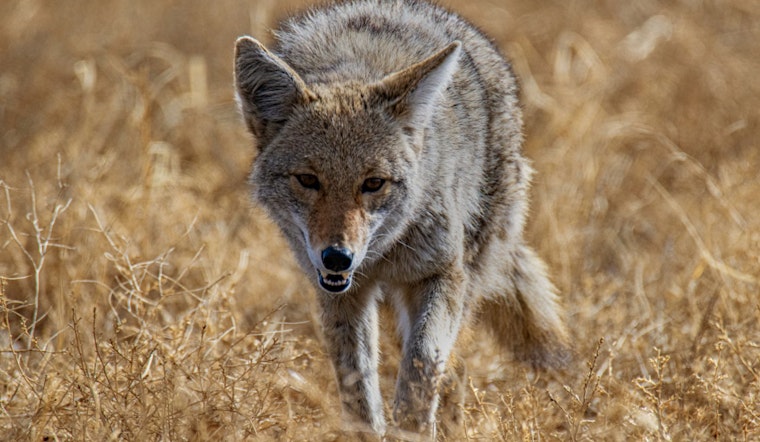
Gwinnett County is on high alert as local police warn residents of increased coyote activity, with sightings reported in the metro Atlanta area. The Gwinnett County Police Department took to social media to alert the community, noting that coyotes are currently in their breeding season — traditionally stretching from late February to early March — and are actively searching for food and shelter, according to a FOX 5 Atlanta report.
The police have emphasized the risk to pets, particularly small dogs and cats which are vulnerable to attacks, and they are urging residents to take precautions; these warnings come on the heels of the season when coyotes are known to be more aggressive and thus, the police say, "Attacks can happen while animals are off-leash in a yard enclosed by a fence," further advising that attacks on pets like cats are most likely to occur between the hours of 10 p.m. and 5 a.m, and overall, coyote attacks peak between 7 p.m. and 7 a.m, this due to nocturnal hunting patterns of the predators, the Gwinnett County Police Department explained in a Facebook post cited by FOX 5 Atlanta.
To minimize potential encounters, the Gwinnett County Police have offered tips to the public: not leaving small dogs unattended, keeping cats and small dogs inside at night, avoiding letting dogs roam loose in wooded areas, and securing trash and food sources that might attract coyotes. These recommendations align with the message broadcasted on their official Twitter feed, as portrayed in a tweet captured by Atlanta News First, in which the department detailed the seasonal rise in coyote aggression and the associated threats to domestic animals.
While the Gwinnett County Police Department acknowledges the concerns of residents, they have also pointed out that, although encounters with coyotes are relatively frequent during this time of year, attacks on humans remain rare, with most notifications they've received being mere coyote sightings; notwithstanding, the department continues to stress the importance of vigilance and prudent practices to reduce any risk of confrontation with these wild animals, guidance that is crucial for the safety of both the local community and its four-legged companions.





