

























































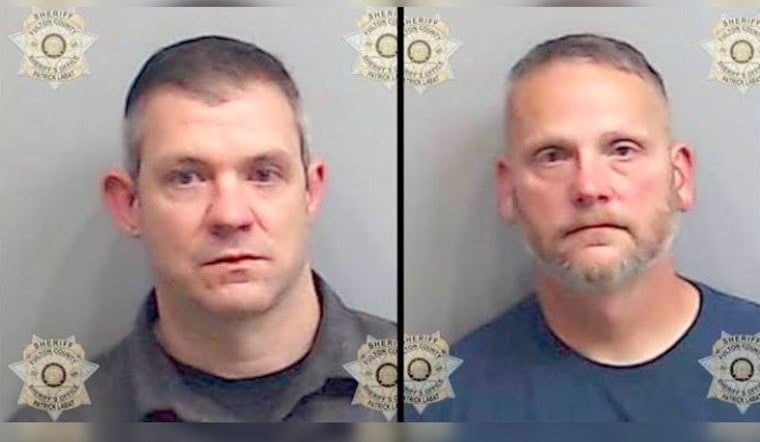
A federal judge has dismissed the criminal case against two law enforcement officers charged with murder in the 2016 shooting death of Jamarion Robinson, ruling they were immune from state prosecution because they were acting within their federal duties. U.S. District Judge Victoria Marie Calvert granted motions from Eric Heinze and Kristopher Hutchens to throw out the charges, ending a criminal prosecution that took nearly five years to bring after their 2021 indictment.
Robinson, a 26-year-old former Clark Atlanta University student-athlete, was fatally shot on August 5, 2016, when a 14-member multi-agency task force attempted to arrest him at an East Point apartment, according to the Atlanta Journal-Constitution. Heinze and Hutchens, both members of the U.S. Marshals Service Southeast Regional Fugitive Task Force, were among those who entered the apartment that day. The Georgia Bureau of Investigation reported at the time that officers opened fire after Robinson pointed a handgun and fired three shots as they entered.
A medical examiner's report later found that Robinson was struck 59 times and suffered 76 total gunshot wounds, according to FOX 5 Atlanta, after officers equipped with automatic weapons and handguns fired dozens of rounds during the raid. No body camera footage of the encounter exists because Department of Justice regulations at the time barred federal task force members from wearing them, the station's report notes.
A Long Road to Indictment, Then Dismissal
Fulton County District Attorney Fani Willis did not secure an indictment against Heinze and Hutchens until October 2021, more than five years after the shooting. A Fulton County grand jury charged both men with felony murder, aggravated assault, burglary, making false statements, and violation of oath by a public officer, per the same report. The delay stemmed in part from federal non-cooperation and a Freedom of Information Act lawsuit the Fulton County District Attorney's Office filed against the U.S. Department of Justice in December 2018 after federal authorities refused to let investigators interview officers or access federal reports.
Once charged, Heinze and Hutchens removed their case to federal court under 28 U.S.C. § 1442, the federal officer removal statute, which allows deputized task force officers to move state charges into federal jurisdiction if the alleged conduct occurred under federal authority. That removal set up the Supremacy Clause immunity argument that ultimately led Judge Calvert to dismiss the case.
Prosecutors did not give up the fight easily. In April, the 11th U.S. Circuit Court of Appeals rejected a Fulton County effort to secure a limited remand to state court, where prosecutors had hoped to obtain a superseding indictment before federal jurisdiction took full effect. The appeals panel determined it lacked jurisdiction to hear that interlocutory appeal, a setback detailed by Courthouse News Service.
Civil Case Also Fell to Federal Immunity
The criminal dismissal follows a similar outcome in the civil arena. In June 2024, the 11th Circuit upheld dismissal of a civil rights and excessive force lawsuit that Robinson's mother, Monteria Robinson, had filed against the task force officers, finding that qualified federal immunity shielded them from liability, according to Capital B Atlanta. Robinson's mother had argued that local department policies should have governed the deputized officers, but federal courts determined that federal immunity standards applied instead.
Capital B Atlanta also reported that Robinson had been diagnosed with paranoid schizophrenia shortly before the shooting, and that his family had previously contacted police during a mental health crisis. Advocates for the family have argued that multi-agency fugitive task forces lacked training for encounters involving people experiencing acute psychiatric symptoms.
Monteria Robinson said the fight for her son is not over, according to the AJC, even as both the civil and criminal cases against the officers have now been dismissed under federal immunity doctrines. It remains an open question whether the District Attorney's Office will pursue further federal appeals or whether legal options under Georgia state law have been exhausted.
Task Force Fallout Reshaped Local Policing
Robinson's death helped force changes well beyond the courtroom. Public outcry over the shooting contributed to the Department of Justice altering its task force body camera policy in 2021, and in June 2019 the Atlanta Police Department pulled all of its officers from federal task forces, citing Justice Department rules that forbade task force members from wearing body cameras, per Police1. Local police leadership at the time cited accountability and transparency concerns tied directly to the prohibition exposed by Robinson's case.





