

























































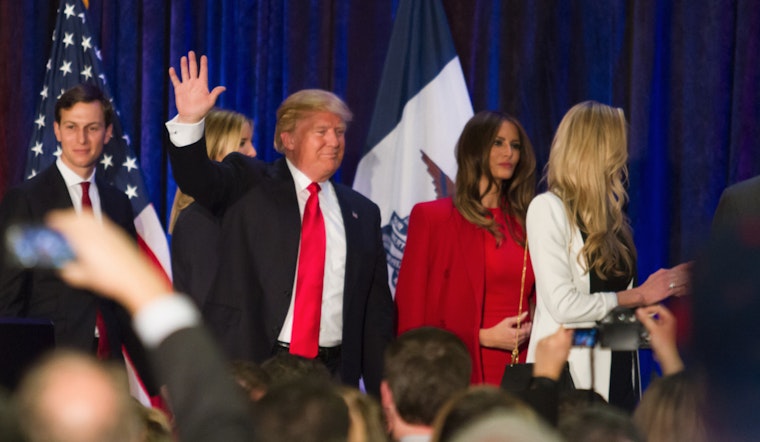
Jared Kushner, son-in-law and former advisor to ex-president Donald Trump, has confirmed his involvement in a slew of new real estate ventures across the Balkans, drawing further scrutiny as Trump campaigns for a second run at the presidency. As reported by The New York Times, Kushner's potential deals in Albania and Serbia include the creation of a luxury tourist destination on an Albanian island and the construction of a massive complex on a historic site in Belgrade, Serbia.
Through Kushner's prior White House tenure, it appears that ties forged with Richard Grenell, former acting director of national intelligence and Balkans envoy under Trump, have facilitated these overseas negotiations, not without controversy as indicted by Trump's bid to re-enter the Oval Office which is a clear potential for conflicts of interest, Trump's family doesn't seem to shy away from high-powered international business engagements. Kushner informed that his plans have been a process of collaboration with Grenell, who also had a stint as the ambassador to Germany, a detail outlined by The Seattle Times.
Besides the allure of luxury accommodations and exclusive holiday experiences that these projects promise, they also bring to the surface questions about the propriety of such deals being struck alongside political campaigns, emphasized by critiques from sources like RawStory, calling Kushner's business pursuits 'corrupt' and questioning the implication of international negotiations during Trump's run for office. Critics allege that such endeavors spark ethical concerns, hinting at potential exploitation of diplomatic connections for personal gain.
Moreover, Kushner's company eyes further expansion with ambitious plans for a third project, involving the transformation of the Zvërnec peninsula in southern Albania into a sprawling resort encompassing hotels and villas and according to sources at The New York Times and a Serbian member of parliament, there's a development blueprint for the Serbian capital that includes 1,500 residential units, a luxury hotel and a museum where the crumbled remains of the Yugoslav Army headquarters once stood, a site leveled during the 1999 NATO bombings. These expansive projects hinge on negotiations with respective foreign governments – a detail noted in the reports and exemplifies the intricate web of international relations and real estate.




.jpg)