

























































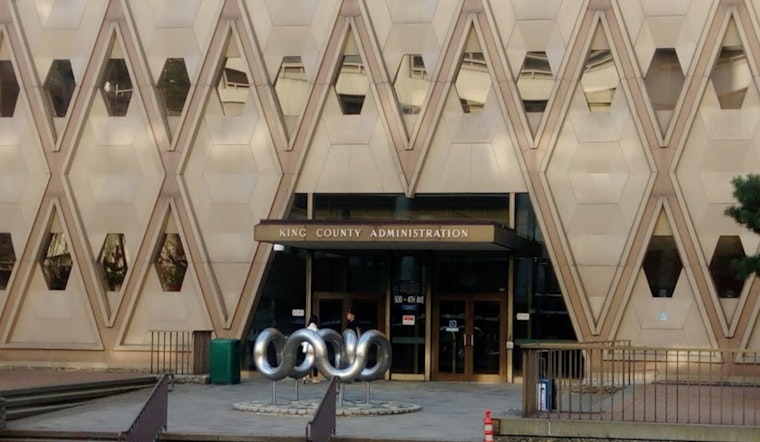
In a move to combat the mounting mental health and substance abuse crises, King County has laid out ambitious plans to launch five crisis care centers by 2030, backed by a hefty property tax levy that kicked in at the start of the year. As reported by BNN Breaking, this initiative is aimed at shoring up the region's ability to handle mental health emergencies with facilities that are equipped with urgent care, observation, and stabilization units. The centers are part of a response strategy that divides the county into four zones, with each hosting one center and an additional one focused on youth.
Facing the stark reality of a fentanyl crisis that has taken an immense toll, King County isn't just stopping with the creation of crisis centers. A multifaceted plan to tackle the issue was announced Monday as well, featuring increased access to treatment, more beds for behavioral health, as well as a bolstered network of fentanyl testing and overdose reversal medication availability. Reeling from over a thousand fentanyl-related deaths in 2023, a striking 51% increase from 2022, the strategy is led by "the Seattle Fire Department averaged about 15 overdose calls a day last year," stated by King County Executive Dow Constantine in a news conference referenced by The Seattle Times.
Officials also highlighted the collaboration among public health, social services, and law enforcement to address the crisis from multiple fronts. Recognizing the variety of recovery paths, King County Councilmember Reagan Dunn emphasized the necessity for a broad spectrum of tools in fighting the fentanyl epidemic, as per statements obtained by The Seattle Times. The comprehensive strategy involves a concerted effort to provide community-based treatment options and reinforce current measures for overdose prevention.
Moreover, the concerted actions include plans to make Narcan, an overdose reversal medication, and other life-saving interventions more readily accessible, King County Executive Dow Constantine told a press conference, according to reports by KOMO News. Further emphasizing the need for low-barrier treatment options, the county is fortifying its response by broadening public health strategies that incorporate a regional response to the fentanyl challenge.
The synergy of these efforts is poised to give King County residents affected by mental health and substance use disorders a fighting chance for recovery and healing, providing a template for communities nationwide that grapple with similar urgent public health concerns. It is a beacon of hope for many within King County, signaling a shift towards a more compassionate and effective healthcare response.



