

























































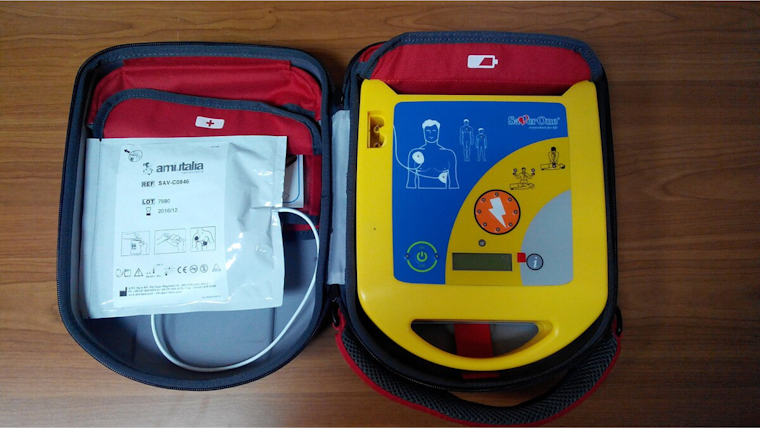
To shore up cardiac emergency preparedness in schools, Michigan legislators are pushing bills that would beef up the presence and knowledge base around life-saving devices, like automated external defibrillators (AEDs). According to CBS News Detroit, state Rep. John Fitzgerald, who introduced one of these bills, swung into action after hearing about a decaying AED that nearly wasn't up to snuff when it mattered most.
The proposed legislation demands that AEDs be available within a three-minute sprint in schools and that a comprehensive cardiac emergency response strategy is cooked into the educational fabric, as detailed by an interview with Fitzgerald on Fox 17. This urgency trickles down from tragedies like that of Fennville High School basketball player Wes Leonard, who collapsed and died back in 2011 after hitting a game-winning shot. A timely shock from an AED might have saved his life.
Fitzgerald’s colleague, state Rep. Tyrone Carter, joined hands in sponsoring the other bill, which also seeks to ensure coaches are trained in the dark arts of AED use and emergency response. "I'd much rather have a school, have it, and not need it than to need it and not have it," Carter told CBS News Detroit. The lawmakers are keen on playing it safe rather than sorry, sighting past incidents and near misses that could've ended differently with proper equipment and preparedness.
This legislative hustle comes in the wake of chilling close calls among student-athletes. Alex Bowerson, now a college freshman, was saved by an AED and a knowledgeable responder during a high school sports event. He recounted his harrowing tale to lawmakers, saying, "I was only in a terrible rhythm for about two minutes before that AED shocked me," Bowerson told Bridge Michigan. This push also follows heightened awareness after the public scare of Buffalo Bills player Damar Hamlin's on-field cardiac arrest last year.
The grand plan raises questions from the peanut gallery about the financial feasibility of cash-strapped schools. The devices punch a $1,500 average price tag, but representatives are toying with financial strategies, including potential legislative appropriations to help schools cross this financial hurdle.
Moreover, the American Heart Association is throwing its considerable weight behind the bills, highlighting the grim statistics of cardiac arrests and survival rates outside hospital walls. Their testimony points to a jarring survival rate of just 10%, which dramatically increases if an AED intervenes within the first minute.
The bills are now kicking around the governmental field, awaiting a vote that could propel them out of committee and closer to becoming an inherent part of Michigan's educational and emergency response systems.





