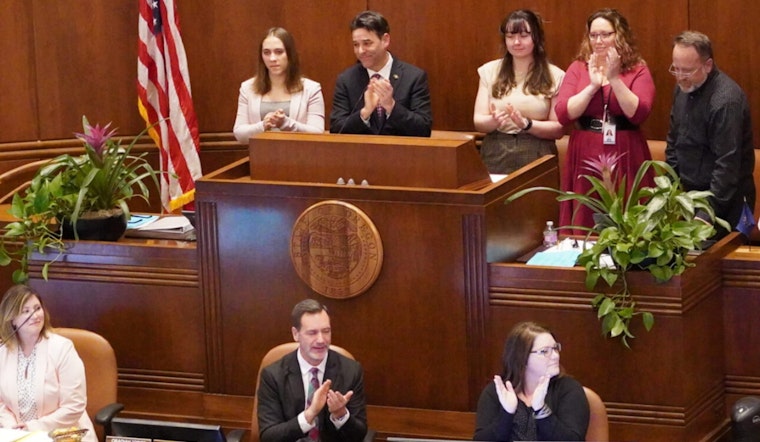
Oregon's about-face on drug policy has put Gov. Tina Kotek at the center of a legal shift. She's vowing to sign House Bill 4002, which would roll back aspects of Measure 110 that decriminalized small quantities of drugs. The legislation reintroduces criminal penalties, in the form of a new misdemeanor that could lead to 180 days in jail if probation is revoked, according to the Oregon Capital Chronicle.
"Finally, reforms to Measure 110 will start to take shape, as I intend to sign House Bill 4002 and the related prevention, and treatment investments within the next 30 days," Kotek stated late Thursday. Reuters reports this move reflects rising concerns over open drug use in areas such as Portland and a significant uptick in OD deaths, which surged by 44% in 2021.
Meanwhile in Iowa, there's a different call to action concerning health and well-being. Nursing home caregivers, as represented by Iowa CareGivers, are urging lawmakers to boost their pay. A wage and benefit survey released by the group shows less than 5% wage growth since 2019 for direct-care workers, with a median hourly wage of $14.42. Elisabeth Buck from the organization points out the high turnover of certified nurse aides, which hammers facilities with increasing costs, News from the States relayed.
"As the direct care workforce continues to decline in numbers, more Iowans will struggle to access care and supports," Buck detailed the challenge Iowa faces. The wage situation is so dire that workers are reportedly forced to lean on state aid programs such as SNAP and child care assistance. But it seems politics may be cutting support from another angle; specifically, a bill capping what temp agencies can charge nursing homes to 150% of the statewide average wage. The bill supposedly aims to ease the financial burden on care facility corporate owners, yet it's argued this might drag down wages even lower.