

























































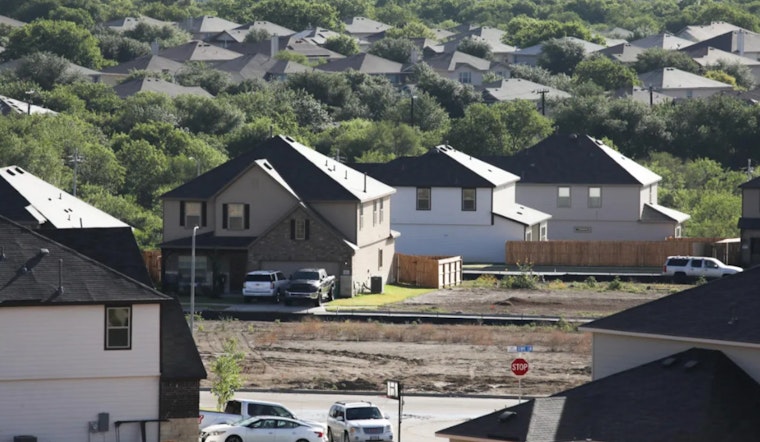
Developers planning to break ground in San Antonio may need to dig a little deeper into their pockets, thanks to a significant hike in fees for connecting to the city's water system. Last week's decision by the San Antonio Water System's (SAWS) board of trustees to raise impact fees is aimed to help fund system expansions and capital improvement projects. This proposed update will have to win over City Council before it kicks in, as reported by the San Antonio Report.
The hike isn't just a small bump—under the new proposal, developers would pay an average of 23% more for water and wastewater services access. SAWS, aiming to avoid unfairly burdening existing customers with growth costs, addresses the issue through these one-time payments. They are calculated by correlating charges with the area's water accessibility difficulty, resulting in higher impact fees for those building farther from the grid or in tougher-to-supply regions. According to details from the San Antonio Business Journal, the new fees could reach as high as $11,528, up from the prior cap of $8,548.
These adjustments are backed by data from a study conducted by Carollo Engineers, which forecasted a population boom of about 25% in SAWS' service area by 2033. This growth translates to the need for substantial investment in the water and wastewater infrastructure, quantified at around $2.3 billion, with $465 million of that potentially recouped through the revised impact fees. SAWS estimates the city will require services for an additional 161,030 water and 148,129 wastewater equivalent dwelling units (EDUs) in the next decade, as the San Antonio Business Journal details.
While developers like Thad Rutherford, president of SouthStar Communities, admit to the heftiness of supporting fee raises, the data-driven argument has been hard to refute. "If we're going to grow in these specific areas of the city, we need more capital improvements projects through impact fees," Rutherford told the San Antonio Report, signalling a resigned acceptance of the economic demands of expansion. The new fees, once passed by City Council, are expected to take effect come June, punctuating San Antonio's ongoing negotiation with its own growth and the costs that come with it.
The impact fee hike falls in line with a broader trend across Texas—a sentiment widely echoed by municipal authorities—that new development should finance itself rather than stress the wallets of current residents. Yet, with around 12,625 future home lots on the books in San Antonio, the increase from the existing minimum of roughly $74.5 million to a staggering $92 million minimum in impact fees is one that could ultimately sway the housing market dynamics, suggesting that the cost of growth is often shared across the board. All things considered, San Antonio is poised to become a beacon in the ongoing debate over how best to manage urban expansion financially without stifling the very growth it seeks to foster.





