

























































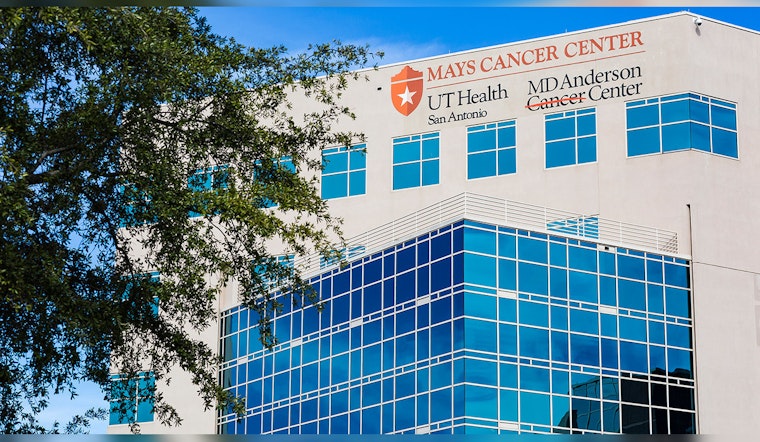
The battle against colorectal cancer, a notably preventable disease, takes the spotlight this March with a push for increased awareness and early detection. In a piece spotlighting colorectal cancer awareness month, KENS5 stressed the pivotal role of colonoscopies in identifying precancerous conditions.
Medical experts like Dr. Sukeshi Arora, who helms the GI Malignancies Program at the Mays Cancer Center, within UT Health San Antonio, urge the significance of early screening"Colorectal cancer encompasses colon and rectal cancer. The rectum is the lower part of the colon or the large intestine. So we usually lump them together but they're treated a little bit differently." Dr. Arora told KENS5. With an estimation of around 106,000 new cases of colon cancer and 46,000 cases of rectal cancer anticipated this year alone by the American Cancer Society, the impetus to get screened could not be clearer, as cancer finds its way also into younger demographics.
Lifestyle factors play a critical role in the risk of developing colorectal cancer. "The biggest risk factor for colon cancer is probably age. As we get older we have a higher risk for colon cancer. But also our diet has a lot to do with it. A higher, carnivorous diet or a meat diet can increase the risk of colon cancer." Dr. Arora added, positing a link with age and risk. A diet heavy in meat, along with a sedentary lifestyle, deficient intake of fruits and vegetables, alcohol consumption, and tobacco use, all contribute to increased risk, according to KENS5's discussion with health specialists.
Moreover, family history should not be overlooked; anyone with a significant familial incidence should consider early screening. Originally recommended to start at 50, the advised screening age has now been adjusted to 45 to respond to the rising cases among younger populations, Dr. Arora advised KENS5.



-4.webp?w=160&h=400&fit=crop&crop=edges)
