

























































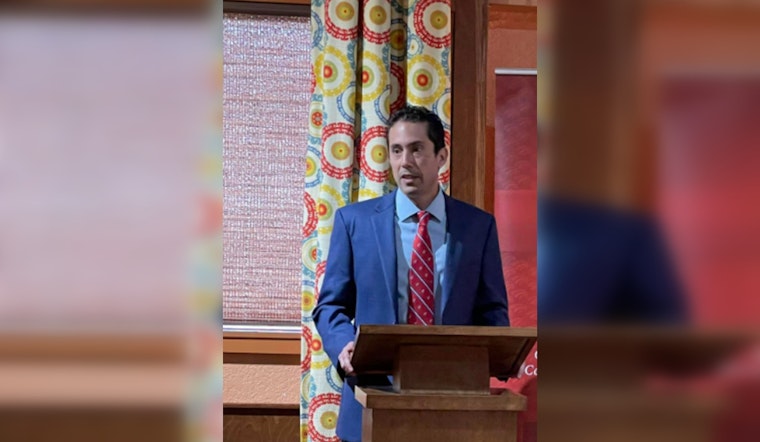
San Antonio's debate on the financing of Migrant Resource Centers took center stage at City Hall. Councilman Whyte, representing District 10, raised his voice against using local funds for these centers that aid newcomers — underscoring a fiscal tug-of-war with basic city services on one side and the needs of migrants on the other. His stance signaled a broader question looming over the city's budgeting choices, one that echoes a common sentiment about municipal spending: How should resources be allocated, and who should they serve?
"The majority of migrants traveling to our City “are no doubt good people who deserve to be treated with respect and dignity. However, our citizens expect their tax dollars to be used on San Antonians, and we must prioritize our people over all others. I do not want to see us get ourselves into a situation where our basic city services will be compromised because we are funding migrant services here in our city.” Councilman Whyte declared in the meeting.
The city's leadership has grappled with the fate of the Migrant Resource Center, as the absence of future federal funding brings the possibility of tapping into the city's coffers. To date, San Antonio has not allocated any general funds for the centers, which were predominantly federally underwritten. The risk, according to Whyte, lying in a potential budgetary pitfall that might see tax-funded services for San Antonio's own residents sidelined is what colors the debate.
Increasing resources for public safety personnel was another concern he believes should attract the City's fiscal focus. In the Council Chamber, the conversation seemed to be as much about the condition of the city's asphalt as it was about the welfare of the migrant population seeking shelter and support.
This development comes at a time when local authorities nationwide are balancing the act of delivering essential services to their constituents in the face of limited budgets and rising costs. The tension in San Antonio, as encapsulated by Councilman Whyte's concerns, mirrors larger, ongoing national debates over immigration policy and the responsibilities of local jurisdictions in managing its societal and financial implications.





