

























































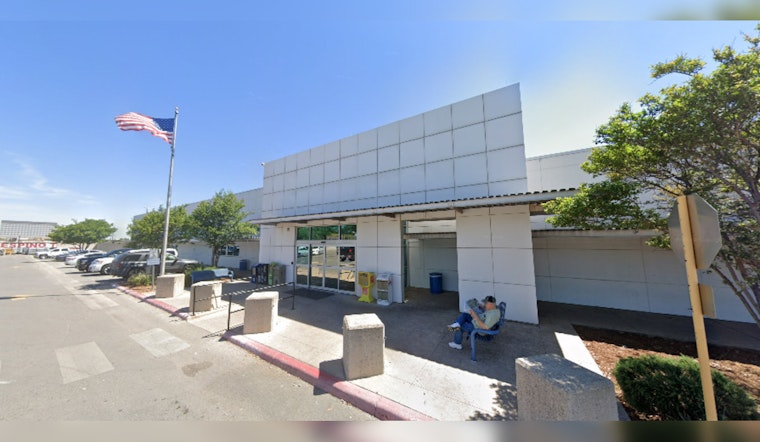
The future of San Antonio's migrant support initiatives hangs in the balance as the City Council grapples with potential funding shortfalls. The city has reached out to the federal government with a request for $57.7 million to continue their migrant assistance through 2024. According to a report published by the San Antonio Report, this funding is essential to sustain operations at the local Migrant Resource Center (MRC) and a transit hub near the airport. Without federal aid, the city could be forced to either dial back these services or dig into local coffers.
During a City Council meeting on Thursday, members were supposed to assess local funding support for migrant aid, only to find themselves in a predicament. “We’re in the middle of a political turmoil in our country right now that you can’t ignore, and there seem to be people who would rather thrive in the chaos than help us deal with the problem,” Mayor Ron Nirenberg stated, as reported by InfoDelhi. The lack of a replacement plan for federal resources adds to the uncertainty.
With asylum cases taking over five years to resolve, migrants are often unable to legally work as they wait, a problem compounded by federal funding drying up. San Antonio officials are considering various stop-gap measures, including utilizing remaining FEMA funds and turning to private donors to cover immediate costs, as noted in the San Antonio Report.
"Having said that... If this money dries up. It has to come from somewhere," Councilwoman Melissa Cabello Havrda told San Antonio Report. The Council is under pressure to comprehensively consider the city's investments regarding homeless residents and asylum seekers. With the city already funding services for its homeless population, adding asylum seekers to the tally might prove to be unsustainable.
As the City Council deliberated, neighborhood feedback highlighted the impact of the MRC on local residents, even among my very compassionate neighbors, said Jennifer Neal, president of the Shearer Hills-Ridgeview Neighborhood Association, many were uneasy about the large number of strangers passing through their neighborhood. She conveyed the sense of being "blindsided" by the city's decision to locate the MRC in their vicinity, as cited by the San Antonio Report. While the debate over funding rages on, the immediacy of the humanitarian need and the community's concerns weigh heavily on the city's next steps.





