

























































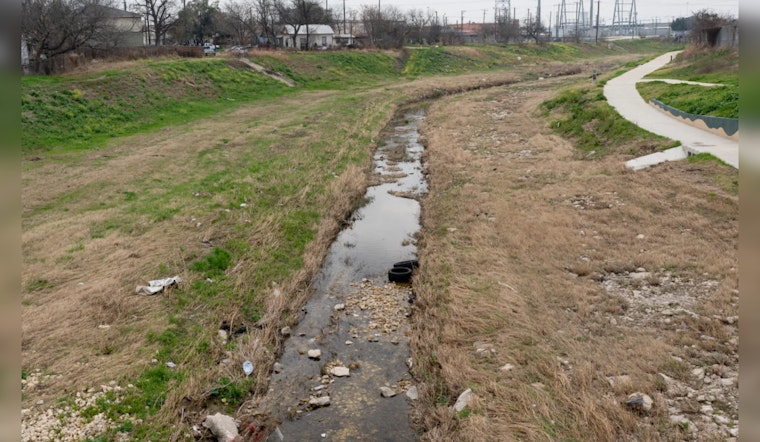
The Westside Creeks Restoration Project, a major overhaul aimed at rejuvenating 11 miles of urban waterways in San Antonio's West Side, is set to become significantly more costly due to inflation and construction expenses. The San Antonio River Authority (SARA) spilled the beans last month, revealing that the price tag could soar millions above the original projections. Initially budgeted at around $118 million in 2014, the costs have now swelled to over $200 million, a figure that includes contributions from federal and county funds.
Despite the ballooning costs, officials appear committed to moving forward. SARA's Senior Project Manager Rebecca Krug told an oversight committee that design work for the creeks is full steam ahead. Signaling the project's importance, a multimillion-dollar contribution has been put forth from the U.S. Army Corps of Engineers' Infrastructure Investment and Jobs Act Work Plan and Bexar County. However, this ambitious restoration could inadvertently put pressure on a historically underserved community, where longtime residents are concerned about the looming threat of displacement due to potential gentrification.
According to a report by the San Antonio Report, the project is conceived to maintain flood control while also restoring native ecosystems along the creeks. The designs are to prioritize the natural beauty and functionality of the creeks, with plantings of native grasses, wildflowers, and trees. "All four creeks are being designed concurrently," Krug affirmed in a bid to expedite the process, with construction slated to commence on San Pedro and Apache creeks, followed by Martinez and Alazán creeks.
While SARA officials tout the benefits of the restoration as an "environmental justice issue," community concern for potential gentrification simmers in the background. The fear of being priced out was given voice by local resident Michael Hernandez, who expressed apprehension in an interview with the Express-News: "I’m sure these creeks will look really nice. But what’s the motive here? When they say the community can enjoy it, what community do they mean?" This sentiment is echoed by other locals who tie their history and identity closely to the area.
However, optimism isn't lost on all fronts, as project advocates like Justin Rodriguez view the restoration as a stepping stone towards broader community uplift. He saw the investment as a long-term boon, remarking to the San Antonio Report, "This is an investment that will pay dividends, not just now — but into the future." With surveying complete and design work advancing, the project inches closer to its anticipated 2029 completion with hope and caution treading the waters side by side.



