

























































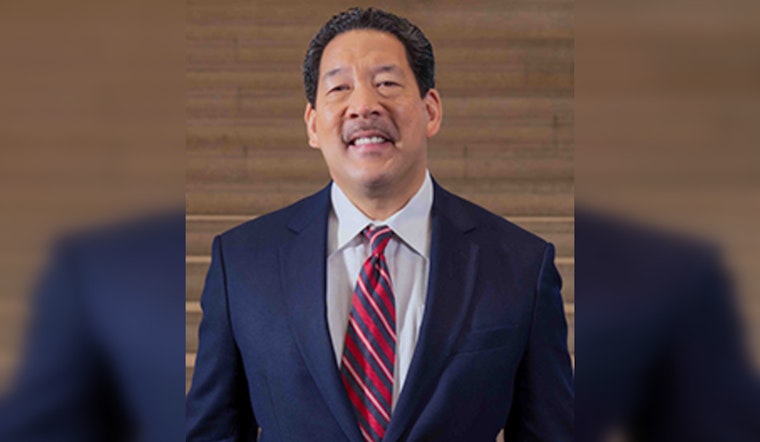
Seattle's Mayor Bruce Harrell is pushing for a new lease on life for the city's vacant commercial spaces. A fresh piece of legislation has been handed to the City Council, one that's designed to grease the wheels for converting these empty commercial husks into residential abodes. Harrell's Downtown Activation Plan isn't just about repurposing building carcasses; it's directly targeting Seattle's throbbing housing crisis head-on, according to an announcement on the mayor's office website.
"As Seattle continues to evolve, we are committed to meeting the dynamic needs of our city, particularly in downtown," Harrell declared, recognizing the shape-shifting landscape of urban spaces. "With the recent passage of the State’s sales tax exemption on construction for projects converting nonresidential spaces to housing, this legislation is an another powerful tool to tackle the housing crisis and replace building vacancies with vibrancy." From empty storefronts to prime housing, Harrell seems intent on turning Seattle's downtown into a mosaic of work and home life for “families and residents of all backgrounds.”
The nuts and bolts of the proposed legislation are all about clear-cut guidelines. It'll reportedly delineate what counts as a residential conversion, granting the green light for widespread exemptions from various design standards for building rebirths into homes. Removing monetary hurdles, this legislative move would skip conversions to housing from the city's Mandatory Housing Affordability requirements, potentially revitalizing not just downtown but areas across Seattle zoned for commercial, neighborhood commercial, Seattle Mixed, midrise, and highrise.
Underneath these legislative gears is a state-wide push, highlighted last year by Governor Inslee signing off on a bill easing restrictions on housing units' creation in existing structures. The pace at which jobs mushroomed in Seattle has left housing development panting to keep up, sending rent and housing prices on a steep uphill climb. The evolving patterns of work, bent by the gravitation towards remote and hybrid models, have emptied office buildings, ratcheting up the office vacancy rate to just over 20%, a statistic that stings in a city straining at its housing seams.
Last summer's call for proposals from the Office of Planning and Community Development (OPCD) was more than just a brainstorm. It sparked a flurry of designs and ideas, mapping out transcendent uses for current office spaces. This competition, more than just a showcase of architectural imagination, injected real substance into Harrell's proposed legislation, potentially paving the way for a downtown not just revitalized, but reimagined.





