

























































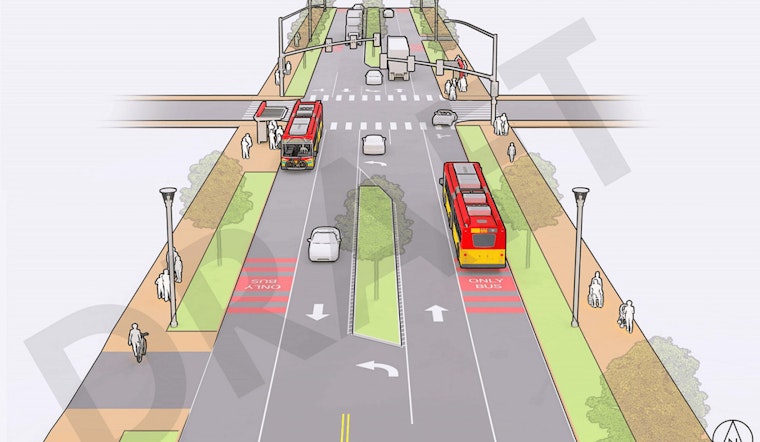
The Seattle Department of Transportation is seeking public input on a series of potential upgrades for Aurora Avenue N, revealing a collection of community-informed sketches aimed at enhancing the thoroughfare's safety, as outlined in a recent post on their official website. Residents are encouraged to review these conceptual designs and share their opinions either by completing an online survey available through April 5 or by participating in upcoming open houses, which include both in-person and virtual options.
Recognized as one of Seattle's primary arteries, Aurora Ave N supports a dynamic flow of neighborhoods and enterprises, the sketches represent preliminary ideas that paint a picture of what could manifest along this vital stretch if given the necessary design, outreach, and financial backing; however, the proposed changes won't occur overnight and require resident engagement and the allocation of additional resources. The new drawings can be accessed through the SDOT blog, where the Seattle community is invited to drop in their insights ahead of the April deadline.
Ahead of these potential long-term transformations, the SDOT has committed to rolling out immediate enhancements in 2024 that focus on pedestrian well-being, such as upgrading crosswalks, introducing a new walk signal at Bitter Lake, and adding more medians to cut down on intersection conflicts. These steps build on current improvements designed to offer pedestrians a head start when crossing streets and to prevent cars from cutting through crosswalks when the light is red.
These community-drawn visions for Aurora Ave N are part of a broader initiative by the city to invigorate public involvement in the transformation of its infrastructure, setting the table for discussions on the viability and implementation of these changes, and it's crucial that the public's voice be reflected in the planning process, as the changes will affect daily commutes, neighborhood access, and local commerce for years to come, the concept proposed in the sketches necessitate a transparent conversation with the people they will impact, emphasizing the weight of the community's feedback in sculpting the avenue's future.





