

























































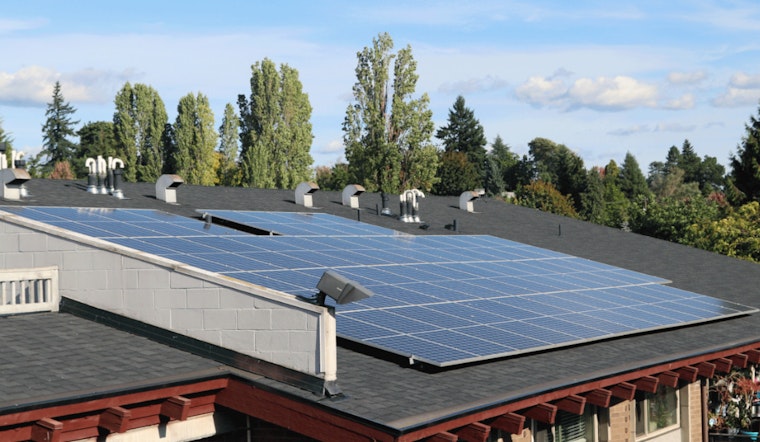
In the midst of an ever-growing awareness of climate change, only about 20% of America's electricity comes from renewable sources, a surprisingly modest figure given the urgent need to transition from non-renewable fossil fuels, which constitute roughly 60% of the energy mix, the remainder supplied by nuclear energy, Seattle City Light reports.
As the demand for electricity is projected to surge by 50% by mid-century, the distinction between clean, green, and renewable energy sources becomes increasingly significant. Although "renewable energy" and "green energy" terms are often used interchangeably, they bear essential differences. Renewable resources, like wind, solar, and hydropower, are continually replenished by nature. Even as hydropower exemplifies the innovative capacity for renewable energy, it is the carbon emissions linked with the generation of some renewables that can, at times, strip them of the "green" label.
The city of Seattle, a leader in advocating for a sustainable energy future, enjoys the benefits afforded by these renewable resources. As highlighted by Seattle City Light, their operations have seized the renewable advantage. “Luckily, here at Seattle City Light, we benefit greatly from renewable energy resources,” they noted in a recent blog post.
Navigating the energy landscape is further complicated by "clean energy," defined by its minimal to nonexistent greenhouse emissions in production and storage. An example of clean, but not renewable, energy includes hydrogen fuel cells. While this nuance in terms might seem like splitting hairs, the implications for policy and investment in sustainable energy resources, are profound.





