

























































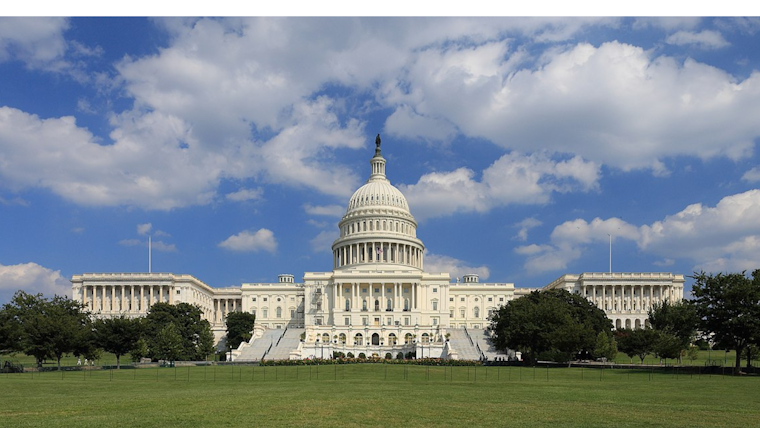
Just before the clock struck a potential catastrophe, the Senate has handed President Joe Biden a significant political lifeline. Finalizing a $460 billion package of spending bills that averted a government shutdown, the Senate's action ensures many federal agencies keep their lights on, as reported by NBC Washington. A hefty 75 senators said 'aye' to the measure, with a paltry 22 in opposition, showcasing a rare moment of unity in the Capitol.
As the dust settled just hours before a midnight closure could cripple government operations, the bill, which has already sailed through the House, is destined for Biden's desk, with the White House confirming a Saturday signage. Come Monday, agencies "will not shut down and may continue their normal operations," a statement obtained by WISTV from the White House confirms. While this package deals with the likes of Justice, Veterans Affairs, and Transportation, attention now shifts to a second set of bills, including defense, that lawmakers are hashing out to meet an impending March 22 deadline.
Amid the legislative scramble, Senate Majority Leader Chuck Schumer offered an optimistic view, declaring, "To folks who worry that divided government means nothing ever gets done, this bipartisan package says otherwise." According to a Baltimore Sun report, the package's green light translates to tangible improvements including hiring more air traffic controllers and boosting support for homeless veterans.
The annual fiscal dance has Congress more than five months late to the party, and yet, Republicans tout the move as a silver lining, breaking free from the shackles of massive omnibus packages that choke the workflow. A massive $1.66 trillion discretionary spending cap hangs over 2024, as detailed by NBC Washington, with GOP members boasting of keeping non-defense expenses on a tight leash. Despite party lines dictating the rhythm of the legislative dance, the bill includes over 6,600 pet projects tagged at about $12.7 billion, showcasing that bipartisanship can, indeed, be bought.
In the wake of the vote, Senators like Rand Paul lament the spirit of compromise that has led to "too much spending," while others highlight discrete victories, like preventing oil sales from the Strategic Petroleum Reserve to China and safeguarding gun rights for particular veterans. Meanwhile, the Democratic side, led by Sen. Patty Murray, heaved a sigh of relief, and protected vital funding for American livelihoods. Yet, as members tussle over earmarked projects, the reality that such negotiations are the currency of Capitol Hill policymaking becomes undeniably clear, proving once again that the art of compromise is far from dead.




