

























































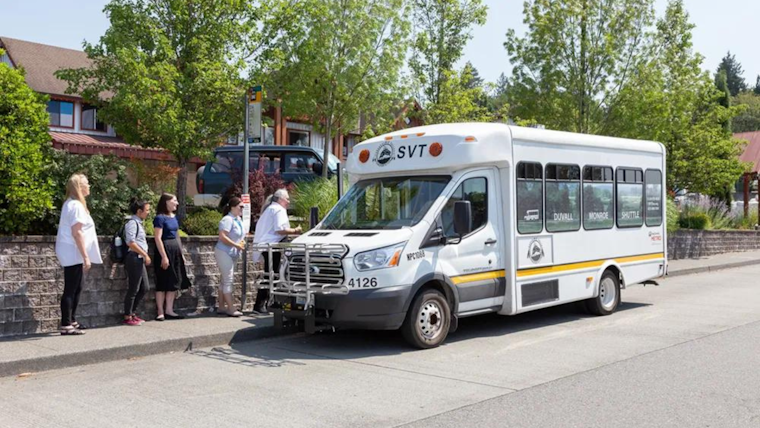
Commuters in the Snoqualmie Valley can now breathe a sigh of relief as expanded shuttle services are set to make their travels smoother. Starting March 4, Snoqualmie Valley Transportation, financed by King County Metro, rolled out increased operation frequencies for its Valley Shuttle buses. These buses, shuttling between North Bend and Duvall on SR 202 and 203, have slashed the usual waiting time from a cumbersome 90 minutes down to a more palatable 60 minutes.
According to a recent blog post by King County Metro, this service upgrade was made possible through the introduction of a third bus into the circuit, underscoring the county's commitment to improving public transit in the Valley and the community notably had voiced the need for more transportation options, Metro heeded the call by contracting SVT to enhance the shuttle frequency. Christina O’Claire, Metro’s Director of Mobility, highlighted the significance of public input and the "terrific partnership with Snoqualmie Valley Transportation," lauding the joint efforts aimed at amplifying area connectivity.
The enhancement in services not only represents Metro's responsiveness but also stands as a testament to the community's dependency on public transit. "This is a huge upgrade for Valley riders," declared SVT Director Amy Biggs, as per the King County Metro blog, emphasizing that many rely on the system for essential commutes to work and school. Biggs expressed gratitude to Metro for listening to and acting on the Valley's transit necessities, simultaneously advancing local mobility that is consistent and affordable.
Snoqualmie Mayor Katherine Ross articulated her enthusiasm for the shuttle service expansion, stating that SVT furnishes consistent, reliable, and affordable transportation options crucial for people of all ages and the business community alike, moreover, according to her statements procured by the King County Metro blog, these improved transportation options are "a step in the right direction" for public transportation equity within eastern King County and bolster timely, efficient access to destinations for residents heavily relying on public transport.





