

























































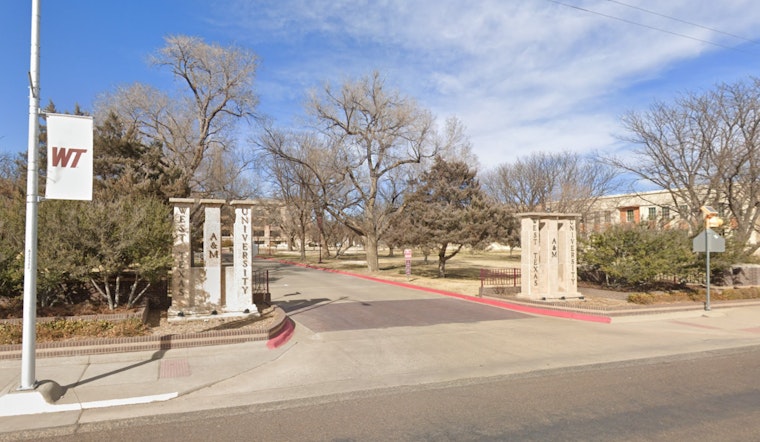
The legal battle over drag shows at West Texas A&M University has hit a dead end at the Supreme Court, as justices opted not to step into the fray on Friday. The court's decision effectively leaves in place a ban on the events imposed by university President Walter Wendler, who last year deemed them degrading to women and inappropriate for campus. Denying an emergency appeal by student group Spectrum WT, the Supreme Court gave no explanation for their action, leaving room for President Wendler to potentially axe another planned performance set for March 22.
Despite facing censure from a majority of West Texas A&M faculty, who found his approach out of step with the university's core values, Wendler's cancellation garnered backing from individuals outside the academic circle. Caught in the legal tussle, students insist their First Amendment rights are being trampled. "It takes courage to stand up for your rights and when you stand up for your own rights, you wind up advancing the rights of everyone else," Adam Steinbaugh, an attorney for FIRE representing the students, told KSAT.
The controversy sparked last year when Wendler, punctuating his decree with religious undertones, stated drag shows would no longer have a stage on campus. Spectrum WT sued in response, with backing from the Foundation for Individual Rights and Expression (FIRE), a national civil liberties group. However, when the emergency application reached the high court, no green light was given to allow the charity event of March 22 to push forward.
JT Morris, a senior attorney for FIRE, maintained resolve despite the setback, saying, "While FIRE is disappointed by today’s denial of emergency injunction, we’ll keep fighting for our clients’ First Amendment rights." He echoed students' sentiments after a Texas federal district court had previously turned down the students' request for relief from Wendler's ban, and the 5th Circuit is not scheduled to hear arguments until next month, as reported by PBS NewsHour.
The legal patchwork around drag performances remains uneven across the country, with the Supreme Court refusing Florida's enforcement of its drag show law, while lower courts in states like Montana, Tennessee, and Texas have blocked similar prohibitions. Amidst the divisive climate, Spectrum WT awaits the next act in court, as do the larger questions over the extent of free expression and the role of educational institutions in policing culture.



