

























































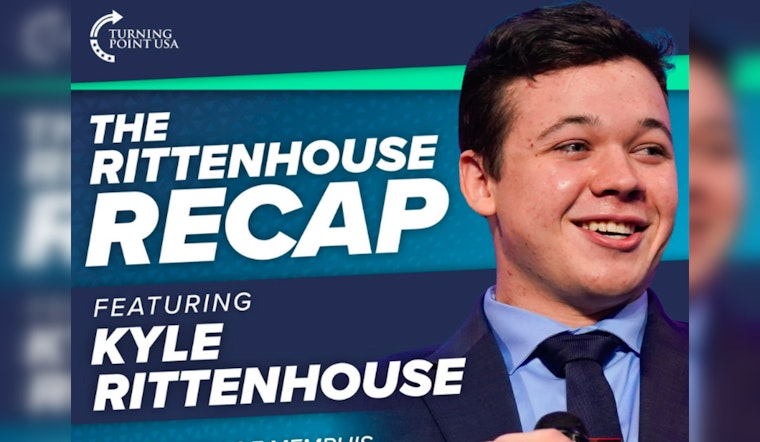
Controversy brewed at the University of Memphis on Wednesday as Kyle Rittenhouse, acquitted in the shooting deaths of two men during a Kenosha, Wisconsin protest, was scheduled to speak on campus. The event, titled "The Rittenhouse Recap," aimed to discuss Second Amendment rights and challenge the narratives surrounding Black Lives Matter. Rittenhouse, whose actions on that night in 2020 sparked national debate, has become a contentious figure, with many viewing his speaking tour as an unwelcome provocation.
As part of Turning Point USA's campus lecture series, Rittenhouse was to share his perspective on self-defense and gun rights. His appearance at the University of Memphis, particularly given the city's majority Black population and the campus's significant Black student body, has led some to question what message was being sent. "A school in a city that majority Black. You're allowing a racist and murderer to speak on campus, University of Memphis?" posed Tami Sawyer, a local political figure, on social media in a statement obtained by Local Memphis. Despite this, university officials stated their commitment to free speech principles, refusing to cancel the event while emphasizing their non-sponsorship stance.
The planned appearance quickly sparked a mobilization among students and community members, with some outlining their intentions to reserve seats and deliberately not show up as a silent form of protest. Critics seized upon Turning Point USA's involvement in bringing Rittenhouse to campus, underscoring the discomfort and unease his presence generates. "Free speech is important. Discussion is important. Being able to have civil discourse is what our country needs now more than ever," said Elizabeth Mathney of Turning Point USA in an interview on KWAM NewsTalk Memphis, as reported by Action News 5.
The event at the UC Theatre, with doors opening at 6:30 p.m., prompted heightened emotions on both ends of the political spectrum. While some lauded Rittenhouse's boldness for appearing publicly, opponents quickly to organize demonstrations against his controversial visit. Some local and state leaders voiced concerns, echoing students' discomfort over what they believe is an inappropriate guest considering the racial demographic of the university's student body which is 40% Black, as covered by WREG.




