

























































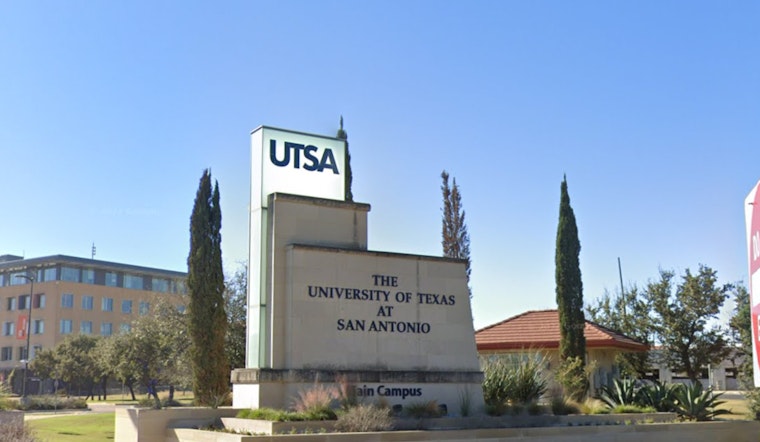
As the darkness of the total solar eclipse is set to envelop the sky on April 8, a groundbreaking initiative ensures that the visually impaired won't be left in the shadow. University of Texas at San Antonio (UTSA) students have teamed up to create LightSound devices, small gadgets that turn the diminishing sunlight into a symphony of sounds for the blind and visually impaired to experience the celestial phenomenon.
These devices, initially crafted by Harvard University astronomers, have been distributed to various groups in San Antonio. While past attempts to broadcast the sounds of an eclipse led to confusion, this year's light-to-sound translation aims to bring a clearer understanding of the event. As "It honestly is pretty fun," Lindsay Fuller, an assistant professor and eclipse project manager at UTSA, told the San Antonio Report. Owl Radio now promotes a live stream of the eclipse simulating the sounds, offering a more curated audio experience.
The LightSound is not the sole technology available for such an inclusive sensory experience. The Associated Press reports that the Perkins Library related to the Perkins School for the Blind will broadcast the LightSound device over Zoom, catering to those who wish to listen from their own homes. Furthermore, in Indiana, the Tactile Engineering's Cadence tablet will allow users to feel the progression of the eclipse with a series of rising and falling dots.
While astronomers like Allyson Bieryla help put the LightSound project into motion, other students, including those at the Texas School for the Blind and Visually Impaired, are eagerly anticipating the upcoming eclipse. "I'm looking forward to being able to actually hear the eclipse instead of seeing it," Yuki Hatch, a visually impaired student from the school, told Associated Press. This sentiment is echoed by other students gearing up for events across North America, where both sound and touch technologies will be accessible.
This cross-institutional effort reflects a commitment to inclusivity in experiencing natural wonders. With more than 800,000 Texans impacted by vision impairment, such innovations open a window to the cosmos that might otherwise be closed. April 8 promises not only a spectacle for the eyes but now an auditory and tactile odyssey for those who experience the world differently.





