

























































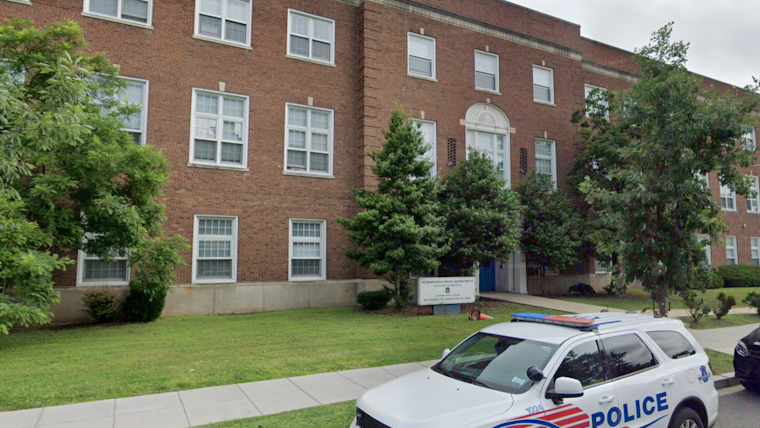
Washington D.C. has taken a controversial leap in its latest effort to curtail drug activities, initiating enforcement of drug-free zones starting Thursday in three different parts of the city. According to NBC Washington, the areas targeted include Chinatown in Northwest, the Benning Road corridor in Northeast, and the Garfield Heights neighborhood in Southeast, as per the newly inked anti-crime legislation. The presence of officers was noticeable in Chinatown, where they patrolled in cars and on bikes, also disseminating information about the new enforcement through leaflets.
The Secure DC Omnibus Amendment Act of 2024, the bill behind this initiative, authorizes the Metropolitan Police Department (MPD) to establish a "drug-free zone" of up to 1,000 square feet in size for a period of 120 hours. MPD bases the zone placements on tangible data such as violence crime rates, drug-related service calls, and regional arrest records, as clarified by 7News. Critics, however, raise concerns over potential civil liberties infringements. Melissa Wasser, Policy Counsel for the ACLU of the District of Columbia, told 7News, "What it’s going to do is open the door for police officers to harass people and violate our rights." Wasser emphasized the law's likely disproportionate effect on the Black community, predicting it would lead to police harassment without genuinely resolving the underlying issues or deterring crime.
In the zones, enforcement measures allow police officers to disperse groups of two or more individuals if there's suspicion of drug-related activities, which has already sparked some pushback from residents. One incident, recounted by The Washington Post, involved a man who vehemently objected to being approached by officers, stating he felt like he was being turned into a suspect despite having no history of legal troubles related to drug activities in the area. "And now I'm being stopped? Stop the madness. There are murderers who need to be locked up and you’re down here stopping people from smoking weed," he expressed in frustration.
Despite the enforcement efforts, there's also concern that the police presence may overshadow initiatives aimed at redirecting people with addiction or mental health issues towards treatment rather than confinement. The Washington Post mentioned a Safe Commercial Corridor hub recently unveiled in response to these issues by the D.C. Department of Behavioral Health. Dr. Barbara J. Bazron, the department's director, emphasized the city's intention to "divert people suffering addiction or mental health issues away from law enforcement and into programs to help." The hub is strategically located near the Gallery Place Metro station, signifying a concerted effort to balance enforcement with support.





-4.webp?w=160&h=400&fit=crop&crop=edges)

