

























































In Atlanta, a group of students made their voices heard before a crucial state-elected board with the power to influence not only Georgia's approach to energy but also the size of the bills landing in residents' mailboxes. The Georgia Public Service Commission (PSC), an obscure yet powerful entity, was the focus of a recent gathering where residents and, notably, young activists took the stand to voice their demands for a shift away from fossil fuels and towards renewable energy sources.
As one college student, Aurora Gray, eloquently put it while addressing the commissioners, "The generation of energy … using fossil fuels has become an existential threat to our safety due to the undisputed impacts of greenhouse gas emissions on our planet," according to a report by WABE. The PSC has received proposals from Georgia Power, the state's largest utility company, to add new natural gas capacity to the grid—one that has been met with resistance from environmental advocates.
One high school senior, Evelyn Ford, informed that "You can help get Georgia Power to take the right actions in the essential timeframe," noting that the panel is the sole body with the decisive say in the utility's operations. The PSC sets electricity rates and approves how power is generated, transmitted, and delivered, affecting the daily lives of Georgians—some of whom plea at hearings to avoid rate hikes, sharing stories of financial struggles due to high energy costs.
In 2022, for instance, Shemika Simmons of Savannah appealed to the commissioners, telling them, "This is real. Life is real," according to testimony obtained by WABE. "When rates go up, lights go out." It's a testament to the considerable sway held by the PSC that goes often unnoticed by the public. This year, the collaborative efforts of Grist and WABE are set to shed light on the PSC's workings, hoping to demystify energy regulation and empower the electorate.
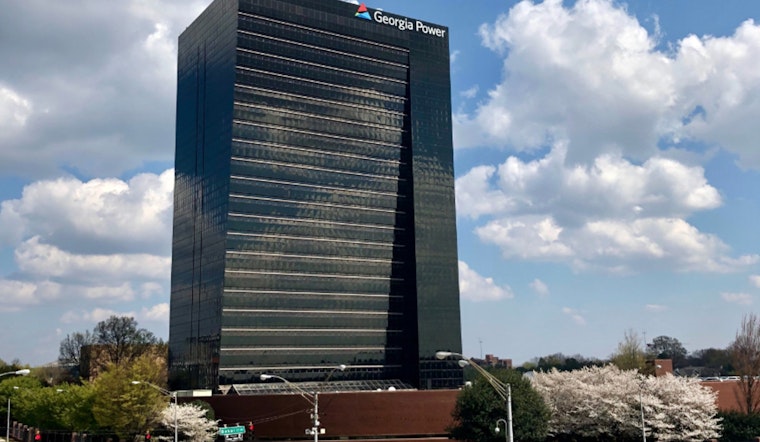
Georgia Power stands as the predominant electric provider in the Peach State, but it's the PSC that oversees their operations. The utility's latest plans involved a three-year forecast of power demand through an integrated resource plan (IRP) and subsequent rate cases to determine customer costs. Despite the PSC's approval of a new nuclear plant that led to a rate spike, the utility's heavy reliance on fossil fuels remains, with past efforts to secure purchases of natural gas power for the next decade.
And when it comes to climate change, the PSC's decisions are pivotal. The commission has a history of boosting solar energy beyond Georgia Power's requests, contributing to a statewide decrease in emissions. Yet, the PSC has also sanctioned lengthy gas-purchase agreements over objections from environmental advocates.
The election of PSC members is another source of heated debate. While each commissioner represents a region, they're elected statewide— a system that some argue dilutes local representation and has led to a lawsuit claiming voting rights violations. The case, which is awaiting potential review by the U.S. Supreme Court, points to a deep-seated contention over the PSC's structure and the perceived politicization of its operations.
With PSC elections pushed to 2025 under recent legislation and the scrutiny of its decisions rising, all eyes are on the commission's next moves and their impact on both Georgia residents' wallets and the environment's future.





.jpg)