

























































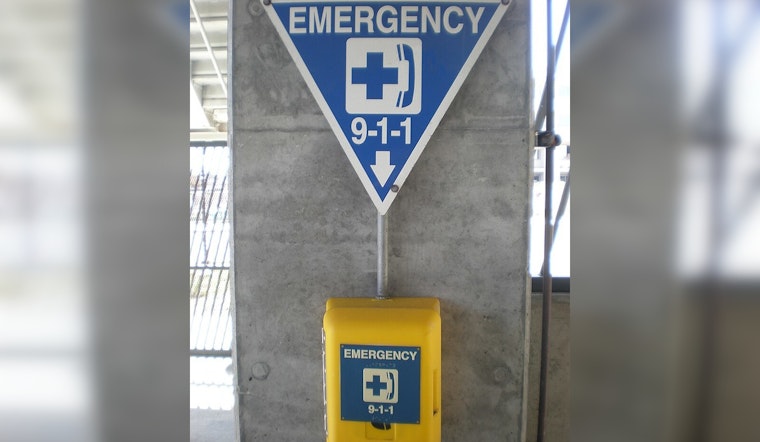
Efforts to improve 9-1-1 emergency response times in Austin, Texas, are showing signs of success, officials say. After addressing staffing issues and implementing new systems, the city reported its response times are on the rise. Austin Police Department's average response time in March was down 10 seconds from February, currently at 11 minutes and 39 seconds, yet this is still a minute shy of the department's goal, as reported by KVUE.
During a presentation to the city's Public Safety Commission, Austin Police Chief of Staff Jeff Greenwalt revealed that the department's average response time to calls improved in January, trimming down to eleven-and-a-half seconds, almost a 10% improvement. Despite the progress, the times still fall short of the target of 10.75 seconds. "A lot of progress was made in emergency communications," Greenwalt mentioned, detailing the swift hiring and intensive onboarding process for new staff at emergency communications, as told to CBS Austin.
The recent implementation of the Reserve Intensive Service Call or RISC unit is credited with improving efficiency within the police department, plagued by staffing shortages. The new unit, according to department officials, handles tasks such as overseeing crime scenes and interviewing multiple witnesses, which allows patrol officers to return to their other duties more quickly. Despite the introduction of this new initiative and the hiring of some new workers, the Austin Police Department is still short by about 350 officers and approximately 120 civilian staff members.
An auditor's report commissioned by the city council showed Austin's emergency call takers handle more 9-1-1 calls than counterparts in Houston, Dallas, San Antonio, and Fort Worth. Council Member Vanessa Fuentes stated, "We currently don’t have a definition or criteria for high volume," indicating a gap in the policy for managing periods of high emergency call influx, which was acknowledged during the council meeting. The concern over the high volume of 9-1-1 calls comes after several months in 2023 that saw "above average" volumes of emergency calls, as per remarks by Fuentes in the CBS Austin article.
Yet, there's a glimmer of hope with the latest statistics showing nearly 93% of calls were answered in 15 seconds or less so far in 2024, an improvement from just under 75% in the prior year. These numbers suggest that Austin's emergency response system may be turning a corner, albeit the challenges ahead are still numerous and daunting for those tasked with answering the call for help in times of crisis.





