

























































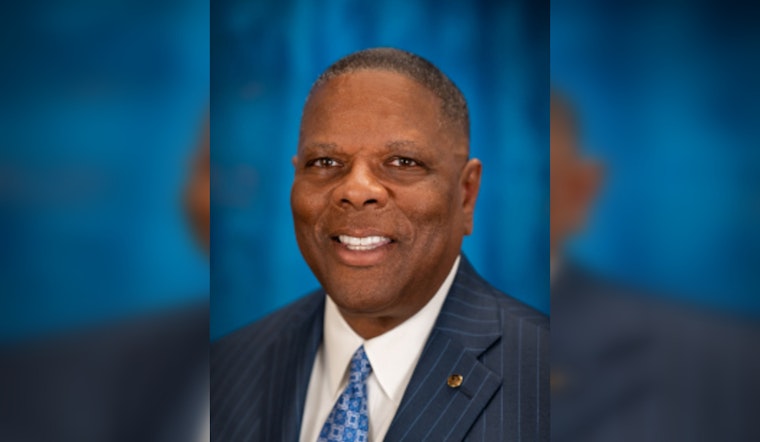
As tensions mount ahead of the Justice Department's report on the Phoenix Police Department, Councilmember and former assistant chief of the PD, Kevin Robinson, met with DOJ officials in Washington, D.C. ABC15 reported that the extended meeting, initially planned for 30 minutes, spanned over an hour, where Robinson gave his perspective on the department's internal issues. "I asked for a meeting and they said yes; I think it was based on my background and my experience," Robinson told ABC15. The veteran officer shared his concerns and his past efforts to engage diverse voices within the police force.
The inquiry into Phoenix PD by the DOJ was announced back in August 2021, scrutinizing the department's use of force and its policing of protests among other First Amendment activities. While the exact release date of the report remains unknown, the City of Phoenix has preemptively taken to reform. According to a statement obtained by ABC15, the department, under Michael Sullivan's leadership, has reportedly implemented policy changes and embraced more transparency and oversight.
Amid public concern over the investigation's findings, Councilmember Robinson relayed understanding for the unease felt in communities of color. "Let's call it what it is: There's a lot of folks in our Black and brown communities who feel put upon by the police. I get it," Robinson said in an ABC15 interview. He emphasized the importance of representation and dialogue within the police force to foster changes reflecting the community's needs.
In a personal message posted on the City of Phoenix website, Robinson highlighted his long service and teaching experience as valuable insights into the DOJ's examination. He underscored the necessity of receiving the DOJ's findings prior to taking action and cautioned that the financial implications of a consent decree could divert funds from vital city services and lay added strain on the police department.
Robinson requested another meeting with the DOJ to discuss the report further, prior to or following its release. While wary of potential federal oversight through a consent decree, he remains open to collaborative solutions with the DOJ, not yet convinced of the need for such stringent measures.


