

























































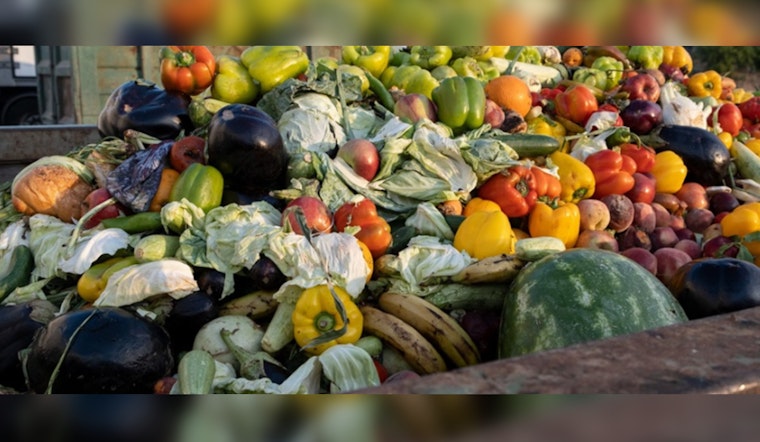
In a move to tackle food waste and support community nourishment, Minneapolis has stepped up its game by dedicating April 1-7 to Food Waste Prevention Week, announced the City Council recently. The week is a call to action for community members and businesses to adopt practices that cut down on food squandering - a step that's not only kind to wallets but also battles hunger and greenhouse gas emissions. Tips dished out for residents include smarter storage, embracing leftovers, and getting savvy with menu planning. They're also urged to freeze ripe produce and have a go at composting. The full lowdown is on the dedicated Food Waste Prevention Week’s website.
Alongside this, the Homegrown Minneapolis Food Council is inviting the public to chow down and chop it up about creating a just and eco-friendly food system at their upcoming meeting. On April 11, Northeast Recreation Center will be brimming with food for thought as folks are encouraged to bring their best pasta and noodle dishes to share. The meeting will shine a spotlight on the "Right to Food," weaving it into the narrative of how Minneapolis is feeding its future.
Moving on to the artisanal brew scene, St. Paul's historic Rondo area is set to get an infusion of diversity and flavor with the establishment of Minnesota's first Black woman-owned brewery. Slated for a 2025 opening, Bubble Line Brewing Company, founded by Brittney Mikell, promises a mix of lagers, IPAs, non-alcoholic options, community spaces, and brewer apprenticeships. As reported by Eater Twin Cities, Mikell's inclusive vision sees the brewery as a vivid 'third place' for the community.
Hunger is tackled from another angle by The Food Trap Project, a venture set on combating the food desert scenario in North Minneapolis. Soon to be launched, it aims to provide more than just fresh produce and plant-based meals. In an interview with CBS News, Keiko, a member of the Homegrown Minneapolis Food Council, spoke about the project's ambition, including vegan cookbooks.
For Minneapolis restaurants, reducing food waste is more than just housekeeping, it's a civic duty. Restaurants are stepping up, encouraged by the Health Department's videos and resources, in languages including English, Spanish, and Somali, to educate on food waste prevention. According to the City’s website, these establishments produce a hefty 30% of the city's food waste, equivalent to 35,000 tons a year.
Individuals with a passion for food justice got a fresh perspective at the FAACTS Food Action Summit in San Francisco, as the event looked at transitioning from charity to food sovereignty. The Summit highlighted that charity acts as a band-aid for food accessibility and emphasized the need for a government-accountable, Right to Food framework. It suggested a revolutionary shift toward guaranteeing food sovereignty. More insights from the event are explored at the Right to Food US website.



