

























































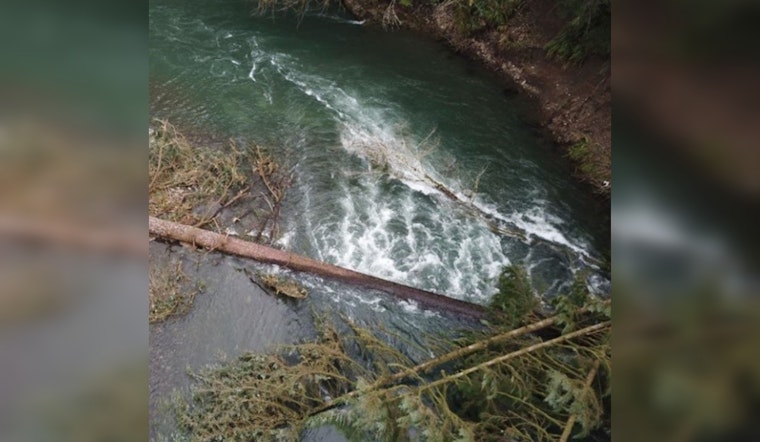
With harsh winter storms whipping through Oregon, rivers are seeing an influx of fallen trees turning into hazardous barriers for local boaters. According to the Marine Board's recent warning, these natural barricades not only pose an immediate threat but will become increasingly perilous as river levels recede, potentially requiring boaters to execute portages for safe passage.
Boating Safety Program Manager for the Marine Board, Brian Paulsen, offered key advice in light of these risky conditions. "We urge every boater to plan ahead. River conditions can change daily which is why checking river levels is critical. Always look downstream as you navigate allowing time to react and maneuver to the safest course," he stated in a public announcement.
To bolster boater preparedness, the Marine Board has laid out several precautions. Among these, they heavily suggest consulting the Boating Obstructions Dashboard for the latest on reported river blockages. Additionally, boaters are encouraged to learning about and report any obstructions they encounter, heightening the collective safety of Oregon's waterways.
Portaging isn't just a last resort; it's a proactive strategy recommended when encountering dubious stretches of river. "Scout ahead and look for the safest route for each section of the river before committing. When in doubt, portage out," the Marine Board advises. Boaters are further urged to don a life jacket at all times and dress appropriately for water temperatures that remain icy throughout the year. With these measures, the risks associated with entrapment among submerged trees and strong currents may be drastically reduced. Moreover, wearing a quick-release leash is advocated for stand up paddleboarders navigating through cluttered river passages.
Communal safety plays a significant role in aquatic endeavors; hence, the Marine Board stresses on boating in groups and maintaining visibility with one another for swift assistance if need arises. Knowing personal limits and possessing self-rescue knowledge are essential, especially factoring in the river's difficulty and condition dynamic. For added safety, it's recommended that boaters also share a float plan, detailing their whereabouts and expected return, with someone who can raise the alarm if necessary.





