

























































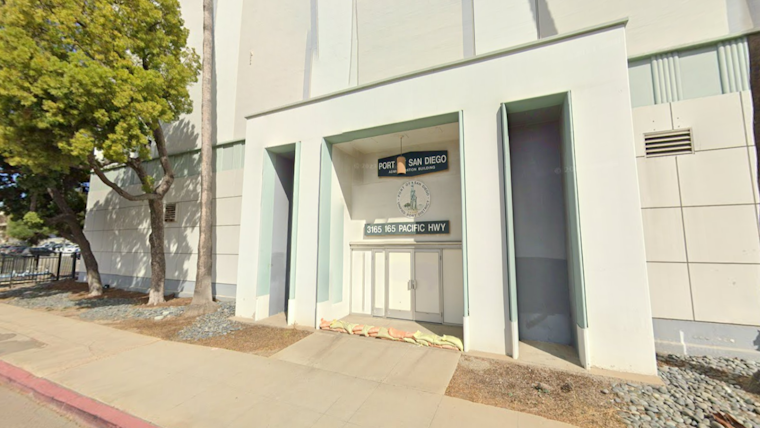
In a resolute response to the environmental catastrophe that has gripped the Tijuana River Valley, the Port of San Diego has announced a local emergency, following the lead of Imperial Beach, San Diego, and the County of San Diego. According to a Port of San Diego declaration, this move aims to amplify efforts and secure the well-being of the region's waterways and atmosphere, which pollutants have besieged for too long. "Clean water and clean air are basic quality of life expectations and, are needed now in our South Bay," said Chairman Frank Urtasun, in a statement highlighted by the Port of San Diego.
San Diego's South Bay has been under assault from over 100 billion gallons of untreated sewage, toxic chemicals, and trash, leading to a public health crisis that has persisted for nearly 850 days. The environmental degradation has prompted beach closures, affected health, and eaten away at the local economy. The international water treatment facilities - the responsibility of the U.S. and Mexico - have been found wanting due to outdated infrastructures. "This crisis is sickening our South Bay communities and our beaches have been closed for nearly 850 days and counting," Commissioner Dan Malcolm stated, whose words amplify the urgency of the issue and the steadfast resolve that refuses to wane.
Amid the bleak scenario, glimmers of hope have surfaced. Congressman Scott Peters has secured $156 million in critical funding designated for the South Bay International Wastewater Treatment Plant (SBIWTP) through the latest appropriations package. However, the exact allocation for the improvement and expansion of the plant is yet to be determined. This legislative breakthrough includes provisions that allow non-federal funds to augment federal investments in the SBIWTP infrastructure.
The Tijuana River Valley's woes have not gone unnoticed or unchallenged. Key events unfold, signaling a steadfast approach to what is not just a local catastrophe but a binational imperative. With the Mexican military embarking on the reconstruction of the failing Punta Bandera Treatment Plant in Tijuana, there is tangible progress on the commitments laid out in Minute 328 - an international accord promising collaborative infrastructure efforts. On the American side, the signature of a Record of Decision by the EPA and IBWC represents a commitment to move design projects forward. A historic legal settlement also points to a new direction – where the IBWC pledges to take actionable steps to mitigate transboundary pollution and maintain an open line of dialogue with local stakeholders.





