

























































The once troubled property on Morningview Drive, grappling with squatters and neglect, stands emptied—a symbol of the growing concerns over property rights and squatter evictions in San Antonio. Neighbors observe the grass-covered field where the house once stood, a pointed reminder of the complexities in addressing squatter situations, a scenario that's becoming increasingly familiar in the wake of the pandemic.
According to a report by FOX San Antonio, Pastor Ronald Glover of Temple Missionary Baptist Church, which neighbors the property, mentioned the extreme measures they took to protect their resources. "We had to put locks on our water... locks on our plug-ins," Glover revealed to the local news team, outlining the direct impact of the squatters' presence next door.
The process of removing squatters is no simple task. As Precinct 4 Constable Kathryn Brown and her deputies explained to reporters, it involves multiple layers of communication and documentation. But squatting cases, Brown clarified, represent a minor fraction of all evictions in her precinct. Still, the challenge persists, notably in a city where vacant homes, sometimes left by deployed military members or unclaimed after the death of property owners, lure squatters seeking refuge or opportunity.
Meanwhile, awareness over squatters' rights—a legal process known as adverse possession allowing people to eventually claim ownership of property—is being highlighted by real estate professionals in Texas. Nohl Bryant, a San Antonio attorney, clarified the legal boundary in a statement obtained by News 4 San Antonio: "The initial possession of the property has to be done, essentially, with innocence. Meaning that you don't think anybody else has a right to be there when you enter it. And that you are using it in a way that improves the value of the property."
Adverse possession, with its roots in post-Civil War legislation, was designed to promote land usage and stewardship. Attorney Christopher Hugg recounted the law's historical purpose, saying, "They didn't want people from the North just buying land in the South because it was available and never using it, letting it go fallow, everything else. So, they said if you purport to own land, you don't do anything with it, somebody else fences it off, claims as their own, takes care of it, maintains it, pays the taxes, does other items on there... They can claim it as their own because at least they're using it." To achieve a legitimate claim, a squatter must meet stringent conditions, including continuous, open, and exclusive occupation of a property for a legally defined period, and often the payment of property taxes and land improvement efforts.
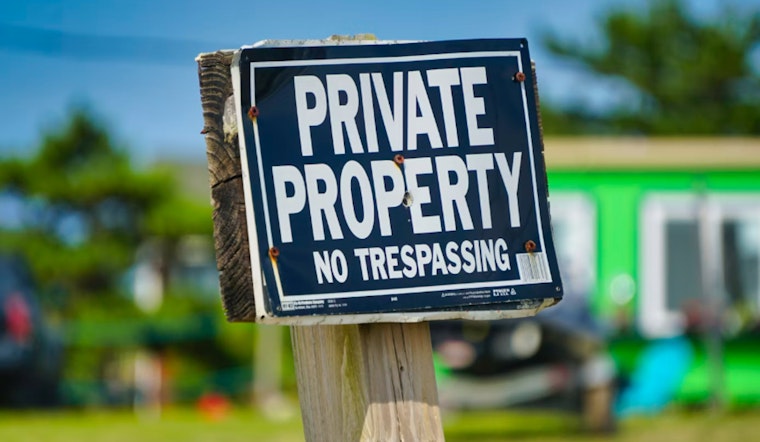
In the wake of these challenges, property owners are advised to take proactive measures: regularly check on unoccupied properties, post 'no trespassing' signs, secure all entrances, establish clear agreements, and perhaps most critically, ensure the use of security systems with cameras to monitor and evidence any unauthorized occupancy.





