

























































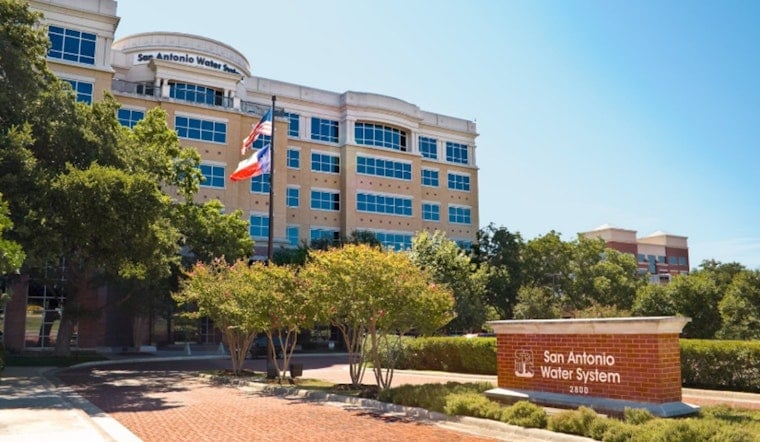
San Antonio's plan to modernize its water meter system is experiencing a minor setback, but officials are determined to stay the course. The San Antonio Water System (SAWS) is upgrading its old-school analog water meters to high-tech digital versions under a project known as ConnectH2O. Despite a shakeup with a previous contractor, SAWS remains on track, with a revised budget that has been increased by $5 to $10 million more than the original estimate of $215.2 million, according to a statement obtained by the San Antonio Report.
The project faced troubles with Kentucky-based Vanguard Utility Services, hired initially for the smart meter installations, this partnership ended last fall after the company started falling significantly behind on the installation timeline, SAWS Vice President of Water Conservation Karen Guz informed, with the San Antonio Water System deciding that performance was not up to snuff and subsequently "broke up" with Vanguard. The quest to get with the times has seen SAWS complete 139,000 installations, about 20% of their goal, Cecilia Velasquez, SAWS Vice President of Customer Experience and Strategic Initiatives, told the San Antonio Report. The initiative aims for a complete overhaul by December 2026, replacing a total of 600,000 meters.
With this technological leap, customers can monitor their water usage almost instantly, instead of waiting on monthly readings. Guz highlighted that these savvy devices have aided the water system and its patrons in potentially conserving up to 240 million gallons annually; the smart meters are particularly adept at sniffing out leaks and notifying customers promptly. The digital meters have already enlightened many residents about their irrigation systems, operating more than once a week, leading to over 51% correcting the infraction within a fortnight, Guz explained to the San Antonio Report.
Following the split with Vanguard, Wisconsin-based Olameter Corp stepped in to take up the mantle, the new contract ensured monthly meter readings for up to $5.7 million across three years. Guz said, "We're doing a lot of installation ourselves, and then we have this contractor, and so between the two we're really speeding up."



