

























































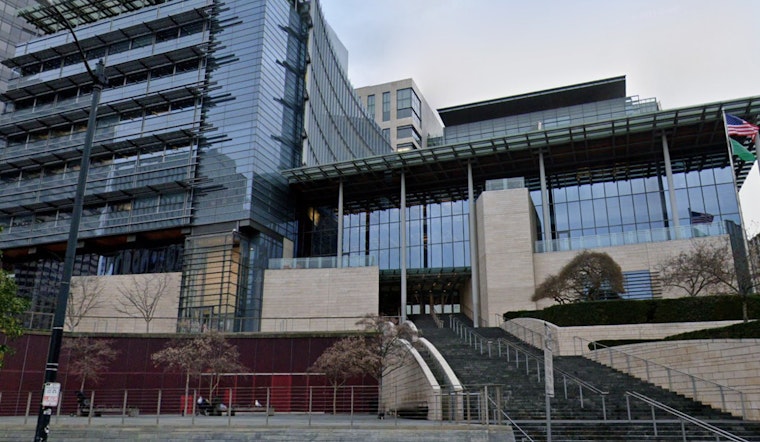
In a unanimous decision, the Seattle City Council has approved substantial pay raises for city workers, with around 10,000 employees poised to see increased wages in their paychecks. As reported by Crosscut, the council voted 9 to 0 this past Tuesday, giving the green light to new union contracts that cover approximately 7,000 city employees, thus closing a chapter on contentious negotiations over compensation that stretched beyond a year.
The deal, which came together after a stalemate that almost led to a strike, will see workers receive a 5% retroactive pay increase for 2023, and a 4% bump for 2024, the increases will be paid out this year; as described by The Stand, these raises will be followed by adjustments tied to the regional Consumer Price Index in the next two years, with a specified floor and ceiling in place. Jennifer Clayton, a 911 dispatcher and president of the Seattle Dispatchers Guild, emphasized the dedication of city workers in a statement, recognizing their round-the-clock service and highlighting the importance of "fair wages that allow us to be part of this city," she said in the public comment period during Tuesday's Council meeting, as obtained by Crosscut.
While the wage increase appears to bring good news for city workers, it compounds a growing financial headache for the city; Seattle Councilmember Dan Strauss, who sponsored the legislation, notably confessed that the raises contribute to a burgeoning budget deficit, "It will grow the budget deficit that we're anticipating," he pointed out as quoted by KOMO News. The particulars of how this extended financial obligation will be managed remain in question, adding uncertainty to the fiscal sustainability of the city’s budget.
Not only do the approved contracts provide for present salary enhancements, but guarantees are established for subsequent years, ensuring that city worker wages will continue to correlate with the vicissitudes of the regional economy, this trajectory of timely increases, as per the details shared by The Stand, is expected to maintain a competitive edge in retaining skilled employees within the municipality’s workforce. However, amidst the celebration of the workers' victory, the lingering question of financial equilibrium within the city's coffers whispers ominously through the chambers of municipal governance.





