

























































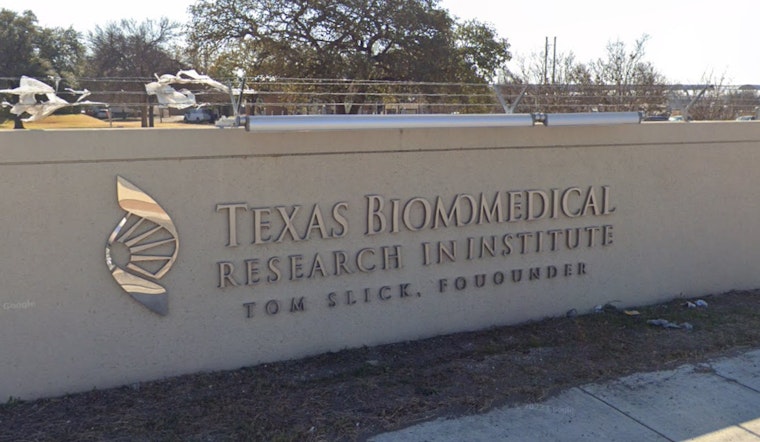
Researchers at the Texas Biomedical Research Institute are on the chase for new vaccines and antiviral treatments to take down the Avian Influenza threat after a recent case of bird flu transmission from cattle to a human in Texas — a rare occurrence that's setting off alarms. The team is gunning for ways to prevent the potentially deadly H5N1 strain from becoming a bigger problem. Texas Biomed announced its efforts which include studying existing vaccines and antivirals for their efficacy against the bird flu strains.
This recent development follows the discovery of only the second human case of H5N1 in the United States. Health officials have determined that the individual contracted the virus after exposure to dairy cows, a new twist in the history of the avian virus which usually infects birds and poultry. Larry Schlesinger, M.D., Texas Biomed President and CEO, emphasized the low risk of widespread transmission but cautioned that "viruses adapt and evolve," which underscores the urgency of their research. "But viruses adapt and evolve – especially influenza viruses – which is why it is so critical to be studying them and developing vaccines and treatments well before they are needed," Schlesinger told FOX San Antonio.
The initiative led by Professor Luis Martinez-Sobrido, Ph.D., at Texas Biomed, is expanding the scope of their influenza virus research after receiving the green light from federal agencies. Their lab jumped into gear at the end of March, scrutinizing whether current medical countermeasures can punch back against the bird flu strain that is now a concern for both animal and human health. Utilizing strategies honed from dealing with seasonal influenza and learnings from the COVID-19 saga, the institute is throwing its weight behind understanding and combatting H5N1.
Despite H5N1's presence around the world since 1996 and a grim 50% fatality rate among fewer than 900 infected people, there's much to uncover about this virus, particularly regarding its newfound transmission to other mammals. "We still don’t know a lot about this virus, for example, what are the genetic determinants that enable this virus to transmit from avian hosts to other mammals?" said Ahmed Elsayed, Ph.D., a staff scientist in Martinez-Sobrido's lab who has been eyeballing avian influenza for 16 years, according to a statement on the Texas Biomed website. With this unexpected case linking the H5N1 virus to cows and then to humans, researchers are eager to understand the mechanics behind the spillover.
Moreover, genetic sequencing has shown that the H5N1 strain in question doesn't currently resist our antiviral drug arsenal. However, Prof. Martinez-Sobrido highlighted the necessity of staying several moves ahead: "However, it is important to continue developing an array of countermeasures in case existing ones lose effectiveness." These remarks were part of an interview with Texas Biomed, signaling a call to arms against an ever-morphing viral foe.





