

























































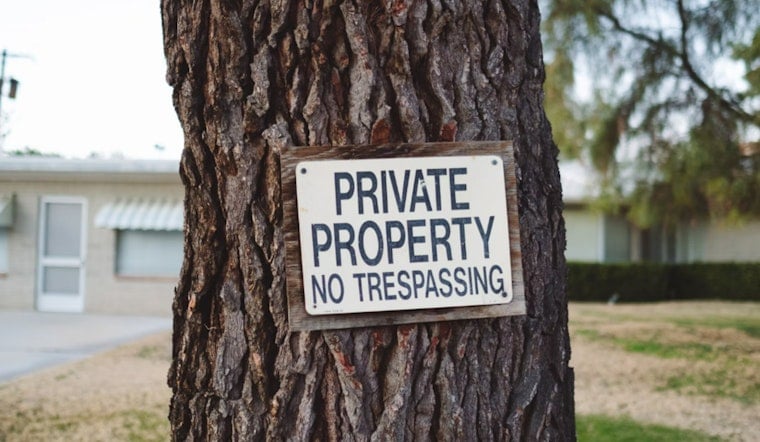
With property laws making waves in Texas, many Texans find themselves grappling with the concept of squatters' rights. According to FOX San Antonio, squatters—individuals who take up residence in a property without legal ownership or owners' permission—are not simply overnight guests. To go and claim a piece of property via adverse possession, a squatter must meet stringent requirements, including living on the property continuously, openly, and without permission for a period ranging from three to ten years.
To successfully gain legal ownership, a squatter has to not only inhabit the property but also improve it and, in some cases, pay property taxes. They must also hold a belief initially that they rightfully belong on the property, a notion that might seem counterintuitive to the average Texan homeowner. "You can just go steal somebody else's property with malicious intent," San Antonio attorney Nohl Bryant told FOX San Antonio.
Rural Texas sees the most skirmishes over land rights. Fences meandering over property lines often stir disputes in the countryside. "It's very common in my practice," Bryant said in an interview with FOX San Antonio. He indicates that these rights can benefit long-standing family properties, where the law of adverse possession preserves a family's legacy on the land.
In contrast, Florida has axed squatters' rights, and Georgia is waiting on a governor's nod to strengthen property owners' hands against illegal occupiers. The question of whether Texas will follow suit remains unanswered. As per a statement from the governor's office found by FOX San Antonio, Texas currently has no short-term squatters' rights, and squatting is considered a legal offense, including criminal trespass and mischief.
If a Texan finds an uninvited guest claiming their property, their first move should be to ring the police, then perhaps lawyer up. Eviction may be the next step, taking care to proceed lawfully, for any misstep could possibly legitimize the squatter's claim. Innago, an online property management software, cites frequent inspections and fostering good relations with law enforcement as proactive moves in a guide to Texas squatters' rights.





