

























































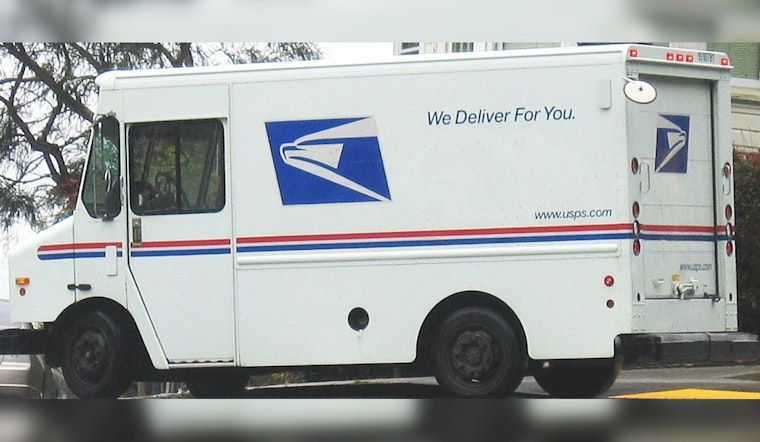
In a notable shake-up in the package delivery industry, Atlanta-based United Parcel Service Inc. (UPS) is gearing up to take on a major role as the new air cargo heavyweight for the United States Postal Service (USPS). The announcement, made on Monday, indicates that UPS is set to embarks on a substantial expansion of its current engagement with the USPS post a transition period.
The financial specifics of the deal were kept under wraps, but what’s clear is the impending departure of FedEx Corp. from its long-term partnership with the USPS as their air cargo contract heads towards its September expiration. A statement by the Postal Service indicated that the forthcoming contract with UPS promises a commitment for at least five and a half years—an alliance set to take off right as FedEx's deal descends.
FedEx, in a statement referenced by WABE, admitted to ending negotiations last Friday, noting the inability of both entities to land on "mutually beneficial terms." The cargo giant has been transporting for the USPS for over two decades, and although talks for an extension folded, FedEx Express will continue its service until the last day of its current contract, September 29, with UPS taking the reins the next day.
Amid these corporate maneuvers, stock market reactions were relatively tame. UPS’s stock saw only a slight downturn following the announcement, whereas FedEx’s share value fell by nearly 3%. Nevertheless, despite USPS's intentions to reduce transportation expenses—the Postmaster General Louis DeJoy revealed plans to slash overall costs by $3 billion within two years—air cargo demand has been surging on a global scale. Just last month, the International Air Transport Association reported a substantial 18.4% year-over-year increase in air cargo demand for January, the highest since summer 2021.
As this deal represents a changing of the guard in postal air cargo delivery, one thing seems inevitable: United Parcel Service is about to embark on a new flight path in its storied journey, delivering not just parcels but potentially, a fresh stream of revenue and strategic advantages in the ever-evolving logistics airspace.





