

























































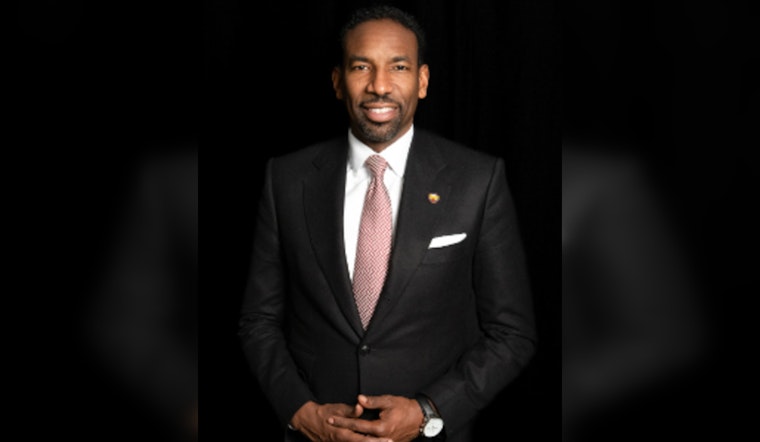
Atlanta Mayor Andre Dickens expressed gratitude to citizens following the passage of a new tax aimed at upgrading the city's water systems. In a recent vote, Atlanta residents chose to implement the Municipal Option Sales Tax, which will tack on an additional cent to most sales within city limits. According to information on the City of Atlanta official website, the revenue from this penny hike is designed to fund the improvement of infrastructure mandated by two federal Consent Decrees addressing sewer overflows.
"Thank you to Atlanta for your overwhelming support for the Municipal Option Sales Tax on this week’s ballot," Dickens said, noting that the measure won't ratchet up service prices which can often place a heavier load on the shoulders of low-income residents, the tax is rather a shared burden between those living in and visiting Atlanta notably a fairer approach to collecting the funds needed for a $4 billion water and sewer system overhaul as specified by decrees issued in the late 90s. Atlanta is projected to forge ahead with these vital enhancements which are not only expected to bolster the safety of its people but also to solidify the groundwork for a future-ready metropolis, as per the City of Atlanta.
The Municipal Option Sales Tax comes as a relief and a step forward for a city that has been grappling with aging infrastructure for years. The taxed items and services will include a broad range of goods, allowing the city to pool resources from a wide economic spectrum. This civic decision aligns with the needs highlighted by the CSO and SSO Consent Decrees, which put a spotlight on the city's wastewater treatment concerns, pushing for investments and repairs which are estimated to reach the multi-billion mark.
Long-term, the adoption of Municipal Option Sales Tax is anticipated to mitigate the financial pressure on municipal services and taxpayers as well as securing environmental well-being and public health advantages, and even more encouraging, it promises to fortify Atlanta against the kind of systemic failures that can cause public and ecological crises, a much-needed safeguard in an era where municipal shortcomings have had dire consequences in cities across the nation, but it's a lesson hard-earned for many communities that have seen the worst happen when infrastructure needs outstrip available funding and political will.





