

























































At the break of dawn, when the city of Atlanta is still dimly lit, volunteers like Karen Osborne and Kelly Bryan are already on the move, scouring the edges of Buckhead buildings searching for fallen birds, victims of collisions with the glass panes that are skyscrapers' eyes and skin. Osborne and Bryan are part of the tireless crew behind Birds Georgia’s Project Safe Flight, a program dedicated to tracking and preventing these eerie, often fatal encounters between avian migration and urban architecture, as detailed in a recent feature from WABE.
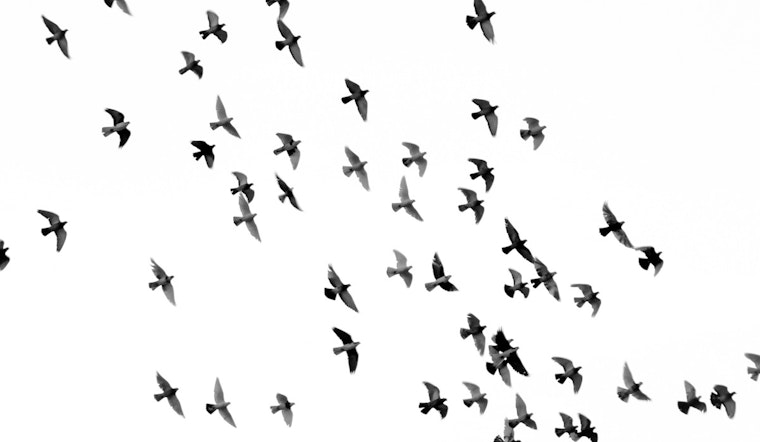
The issue is not fringe: close to one million birds—"about 990,000 passed last night over Fulton County," Osborne said—navigate the hazards of the urban jungle regularly, often being drawn to their fate by the beguiling lights of the city, which in their disorientation they confuse for a path or resting place, causing them to crash with lethal velocity into the windows. Osborne, Bryan, and their brigade begin their patrol early to pre-empt the cleaning staff and any scavengers that might erase evidence of these tragedies before they can document them, WABE reported.
Yet not all interactions are dire; Bryan has made a host of allies along the way, engaging the curious in conversations about the plights these birds face according to a WABE interview. However, the road is not without its brush with resistance, security guards leery of flashlight-wielding volunteers traipsing around their buildings before the sun's rise. Nevertheless, Bryan and Osborne persist, taking advantage of these encounters to spread awareness among the staff about the birds’ plight.
When dawn finally held court over Atlanta's skyline, Osborne and Bryan heaved a sigh of relief, as no feathered casualties were discovered—though they're mindful that this does not guarantee an absence of fatalities prior to their arrival, or that the disheartening phenomenon won't happen again, it's a temporary win they're willing to embrace. If they do find birds stunned but breathing, they're equipped to transport these injured voyagers to local rehabilitators, while those beyond rescue are passed on to the team at Birds Georgia to contribute to research, as Adam Betuel, the Director of Conservation at Birds Georgia, apprised WABE. The collected specimens journey to varied destinations such as the University of North Georgia and even Colorado State Puebla for numerous scientific inquiries, from ornithology to genomics.
To grapple with this sky-high issue, Betuel pointed out that 350 million to 1 billion birds die annually in the U.S. due to building collisions, a chilling statistic outdone only by habitat loss and predation by outdoor cats. Yet, there's a glimmer of hope as proven solutions exist. Birds Georgia's new office in Adair Park is a testament, outfitted with bird-friendly windows that contain subtle markers within the glass—a simple yet effective measure to save thousands of avian lives. Betuel urges building owners to adopt these bird-safe materials and encourages smarter lighting practices, especially during migratory seasons, WABE has reported. Some locales like the Chattahoochee Nature Center and the Southface Institute have already heeded the call to arms, retrofitting their establishments with these life-saving modifications.





