

























































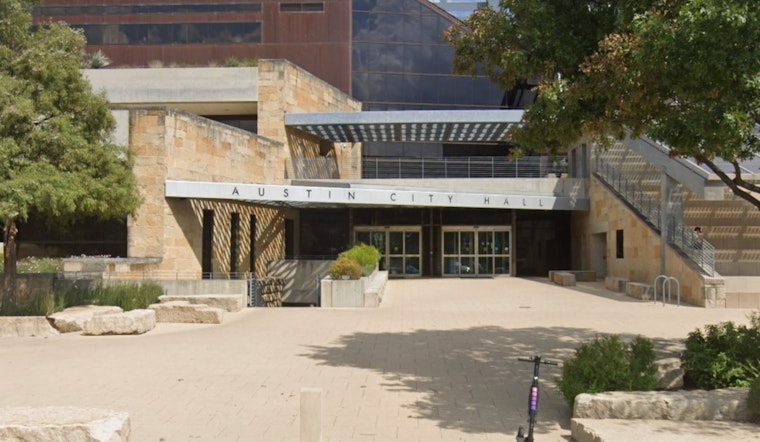
In a move likely to bring financial relief to senior and disabled residents, Austin City Council has greenlit a $30,000 hike in the homestead tax exemption for these groups. According to KXAN, the exemption jumped from $124,000 to $154,000, a decision set to take effect heading into the fiscal year 2024.
Under the city's general homestead exemption, which is currently a 20% cut, the additional increase aims to stabilize, if not slightly reduce, property taxes for this segment amidst Austin's ballooning home values. The finance office notes, that if no changes were made, the owner of a median-valued home at $485,573 would face an additional $126.05 to their bill. With the raised exemption, they're looking at a dollar less instead.
However, the other side of the coin sees non-senior homeowners bearing a slight uptick in their dues. As reported by Community Impact, non-senior residents can expect about a $100 increase on their property tax bills to counterbalance the amended exemption for seniors. This prediction comes as city financial staff project a surge in home assessments, currently estimated to reach $520,835 for the next fiscal year.
This tax exemption boost, however, is not a one-off peculiarity. In what could be a recurring theme for city statute, Council member Ryan Alter is pushing an amendment that would require the city manager to deliver updated exemption amounts annually, ones that should keep property taxes flat for senior and disabled residents. "As we continue our efforts to make Austin an affordable city, I hope you will all join in this additional means of addressing affordability," Mayor Kirk Watson said on an online message board.
Eligible homeowners who haven't yet benefited from this exemption now have a window of opportunity to tweak their tax scenario. Applications need to go through the appraisal districts of Travis, Williamson, or Hays counties. With the aim of a more financially inclusive Austin, these revisions underscore the council's intention to ease the tax burden on its aging and disabled populace while juggling the city's broader economic demands.





