

























































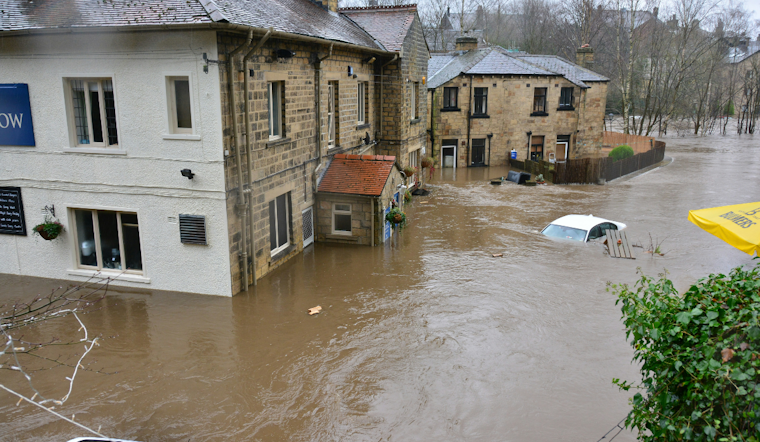
Residents of Williamson County and the greater Central Texas region are facing the harsh reality of living in what's notoriously known as "Flash Flood Alley," battling the threat of devastating floods as a new study raises alarms. According to FOX 7 Austin, the updated floodplain mapping study called Atlas 14 highlighted approximately 6,000 new sites at risk, with about 1,300 stream miles not previously considered. Cindy Engelhardt from Half Associates conveyed the data's seriousness in an interview with FOX 7 Austin, stating, "Seeing it on a computer and walking in and really seeing the impact of it is very heartfelt."
The study's findings come after NOAA's forecast of increasingly intense storms in the region. "I’m not saying it’s going to rain more in Williamson County. However, the storms that come through in a 24-hour period, that’s how we define our floodplains. Previously, they were dropping about 8-10 inches and now this new data is telling us to expect 10-12 inches of rainfall," Engelhardt told FOX 7 Austin. The realities of this threat were felt recently with several rounds of severe thunderstorms since May 1, testing the area's preparedness to handle such events.
Flash Flood Alley, comprising areas from Dallas through Austin to San Antonio, owes its notorious moniker to a combination of geographical and human-induced factors. With the local weather known to fluctuate between extreme drought and sudden, heavy downpours, Central Texas is peculiarly vulnerable to flash floods, creating precarious conditions for residents. KXAN explains in their article Flash Flood Alley poses problems in Central Texas, the perfect storm brews due to moisture-laden winds from the Gulf of Mexico and land development reducing critical green spaces. They reported Lampasas and San Saba counties were hit with flood issues after the Lampasas River flood stage exceeded 18 feet.
The soil composition also exacerbates flood risks in Austin and the adjoining regions. KXAN notes, "Central Texas' soil is rich in clay. And, the soil is shallow. Shallow soils do not allow much water to go deep into the grounds leading to potential flood problems." The combination of shallow soils and rampant development has significantly increased the propensity for flooding, washing away not just homes and businesses, but also complacency amongst residents too often flirting with the edges of rising waters.
To combat the relentless onslaught of nature's whims, awareness campaigns such as "Turn Around, Don't Drown," which started in Austin in 2004, remain critical. The message is a stark reminder of the power that water wields, set against the propensity of residents to underestimate it, as KXAN emphasized in their coverage. As the Atlas 14 study and recent weather patterns illustrate, the residents of Central Texas must heed the lessons of the past and the projections of the present, or else find themselves unprepared for the deluge that follows the calm.




