

























































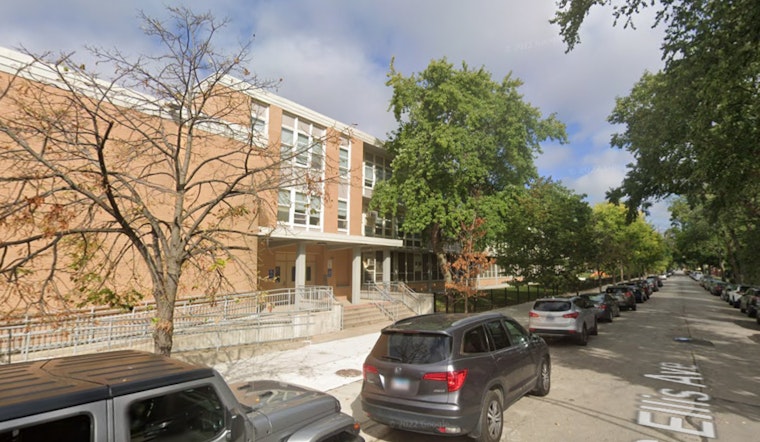
A temporary haven for migrants at the former Wadsworth Elementary School in Woodlawn has shuttered, officials said Monday, marking the end of a contentious chapter for the South Side neighborhood. The last of the resident asylum seekers has been transferred to other city shelters.
The move to close the Wadsworth facility comes as Chicago experiences a steady decline in its migrant population, slashing shelter numbers by nearly half since January. According to a statement obtained by CBS Chicago, the city spokesperson detailed the "decompression" of Wadsworth and mentioned the city's ongoing efforts to provide temporary emergency housing in conjunction with state and county agencies.
Despite the closure, all infrastructure inside the Wadsworth shelter will remain intact. This strategic decision allows the building to potentially serve again as a backup shelter if the need surges with Texas sending more migrants to Chicago ahead of this summer's Democratic National Convention, as reported by CBS Chicago. Officials plan to completely close the Wadsworth site by October.
The decision to convert the once-vacant school into a migrant shelter was first announced in December 2022 after initial denials from former Mayor Lori Lightfoot's administration. In a turn that seemed to align the fate of Woodlawn with broader political currents, the shelter's presence drew mixed reactions, with some community members feeling to quickly rally around their new neighbors, while others expressed dissatisfaction with the impact on their neighborhood, according to a CBS Chicago report.
The Wadsworth shelter, which opened its doors in February 2023, once housed a peak of 503 migrants, though initially designed to accommodate just 250. Former mayor Lightfoot's administration faced heat for its lackluster community engagement process, criticized by locals and Ald. Jeanette Taylor (20th) for not consulting residents and overlooking neighborhood demographics—points that were echoed by Block Club Chicago.
Even as tensions surfaced, with some in Woodlawn voicing concerns over safety and disturbances tied to the shelter's residents, initiatives like Chicago4All came to fruition—seeking harmony and unity among new migrants and established residents through events and advocacy, Block Club Chicago highlighted.
As Chicago prepares itself for the influx of migrants that might accompany the upcoming DNC and grapples with the complex nexus of hospitality and community stability, eyes will remain on how the city navigates the transitional demands of its shelter system and the souls who seek sanctuary within its towering skyline.





