

























































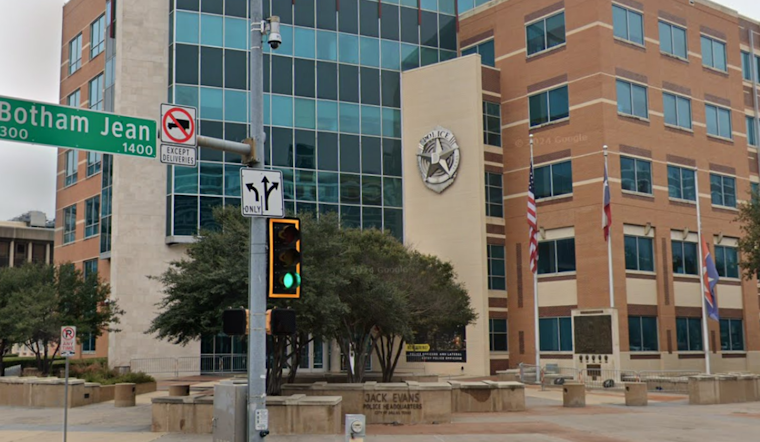
Downtown Dallas is grappling with a surge in assault offenses, with numbers leaping more than 20% in the year amid a police staffing shortfall. As reported by The Dallas Express, there were 371 assaults in the heart of the city as of May 24, a jump from 302 offenses during the same timeframe the previous year.
These assaults, as per the City of Dallas crime analytics dashboard, fall into three categories: simple assault, aggravated assault, and intimidation. Simple assaults saw an increase of 19.7%, while intimidation cases rose by a stunning 56.5%. Although aggravated assaults only saw a smaller rise of 4.2%, the accumulated crime rates are cause for alarm, especially given the Dallas Police Department's ongoing staffing issues with only around 3,000 sworn officers in service.
The financial state of the Dallas police, a crucial determinant in crime prevention and enforcement, stands at $654 million this fiscal year. This number is outpaced by other major high-crime cities that allocate more significant funds to their law enforcement agencies.
Contrasting this scenario, Downtown Fort Worth appears to have hit a sweet spot in crime prevention. The mixture of police bike patrols and private security guards has been instrumental in maintaining safety. According to WFAA, the synergy between the two forces has not only contributed to an increased sense of security but has also saved taxpayers a significant sum of money. Fort Worth police Sgt. Lorne Tracy highlighted that there could be "anywhere from six to 12" security guards on patrol at a given time.
In a previous interview with The Dallas Express, Metroplex Civic & Business Association CEO Louis Darrouzet emphasized the need to address the critical officer shortage. "The biggest correction to crime is having a police presence. It’s not even putting people in jail, just having enough people on the street, making people less likely to commit crime, and the City's not doing that," he said.
Fort Worth, meanwhile, enjoys a "decades-old partnership between public and private" sectors that ensures a comprehensive security network, Andy Taft of Downtown Fort Carter Inc. told WFAA. This partnership has not only kept the streets safer but also eliminated the need for a more significant number of police officers, which would be the case if it weren't for the security guard's presence.
The backdrop of these neighboring cities presents a tale of two different approaches toward urban safety management. Fort Worth's approach, characterized by its collaboration between law enforcement and private security, stands as an effective contrast to the struggles seen in Dallas, suggesting that solutions to crime rates may lie in innovative partnerships and not solely in budget increases or police staffing.




