

























































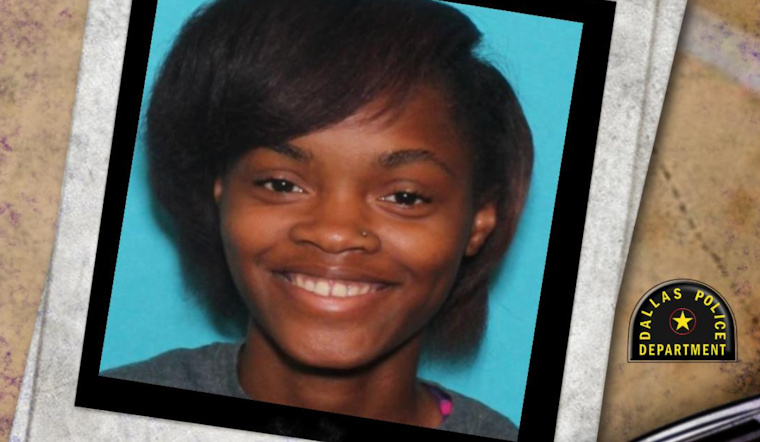
The Dallas Police Department remains steadfast in its quest for answers in the unresolved homicide of 25-year-old Ja'Meesia Anderson-Busby, the department reiterated its call for public assistance in the case dating back to April 2022. According to the Dallas Police Department, Anderson-Busby was fatally shot while standing outside on Grove Oak Blvd over two years ago, the assailant's identity remains shrouded in mystery.
Investigators have struggled to piece together the events that led to Anderson-Busby's untimely death, hoping that a renewed push for information might bring them closer to closure. Cold Case Tuesday is a DPD initiative highlighting unresolved cases, and this week the spotlight returns to the grave incident that took place on the 9800 block of that fateful day. Witnesses or those with knowledge of the crime are urged to come forth, contacting Sergeant Otha Hampton directly at 214-671-3654 or via email at [email protected] referencing case number 062626-2022, to rectify the prevailing silence that has so far shielded the perpetrator from justice.
In conjunction with this appeal, Crime Stoppers has broadcast a financial incentive to break the stagnant waters of the investigation: a reward of up to $5,000 awaits the individual who provides information on Anderson-Busby’s case leading authorities to an arrest and indictment say Dallas officials. This bounty extends beyond just the current case, encompassing other felony crimes that have eluded the grip of the law. Tips can be submitted anonymously to Crime Stoppers at 214-373-TIPS (8477) or online at the Crime Stoppers website, P3tips.com, accessible around the clock.
The Dallas community continues to grapple with the loss of Ms. Busby, waiting, often in painful hope, for developments in a case that seems to be at a stubborn standstill; a reality all too common in urban landscapes where violence leaves indelible scars on the social fabric individuals and families yearn for resolution, assurances that their loved ones have not been forgotten that the mechanisms of justice, though they may turn slowly, do indeed turn. The echo of this tragedy is only amplified by the silence left in the wake of Anderson-Busby’s absence, and the remorseless march of days since her light was unjustly extinguished.




