

























































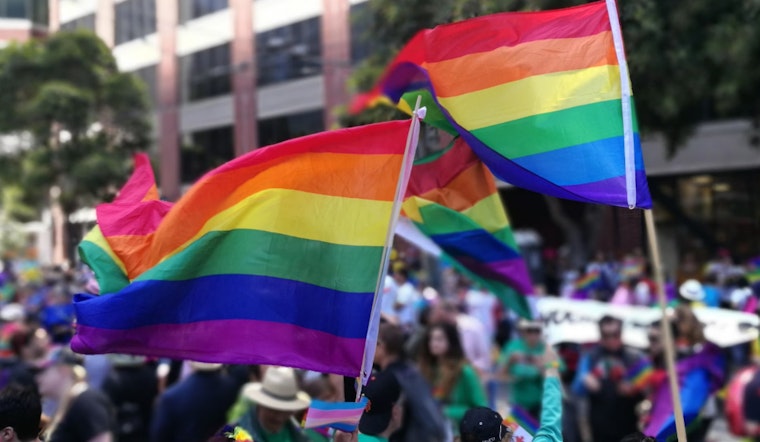
Georgia Southern University is witnessing a backlash from students and faculty members after the administration made the decision to axe a program aimed at supporting LGBTQIA+ inclusiveness on campus. A sit-in rally was held on Monday at the university's main campus in Statesboro, as around 200 demonstrators protested the termination of the Safe Space program, which was designed to reduce discrimination against LGBTQIA+ individuals. A statement distributed by the protesters read, "By treating LGBTQIA+ services with a Don't Ask, Don't Tell policy, you only harm queer students and the campus at large," as reported by WABE.
Last week, Georgia Southern President Kyle Marrero announced the cancellation of the Safe Space program, indicating that it failed to align with state education policy. The University System of Georgia revised its policies the previous year, prohibiting training that may include "affirmations, ideological tests, or oaths, including diversity statements," as stated by WABE. This move has sparked concerns over whether there is a larger agenda to dismantle diversity, equity, and inclusion (DEI) initiatives across the state's higher education institutions.
The protest statement included demands for a public apology from Marrero, the return of all LGBTQIA+ resources to the university's public-facing website by May 3, and the reinstatement of Safe Zone training for university staff, faculty, and students by August 14. The university's previous actions included the removal of LGBT resources and signage from campus and digital platforms, as well as restricting student-hosted drag events.
Following the termination of Safe Space, Marrero has suggested that the university consider alternatives adopted by other institutions that have moved away from similar programs. Meanwhile, members of the LGBTQIA+ community at Georgia Southern are left questioning their visibility and support within the university environment.





