

























































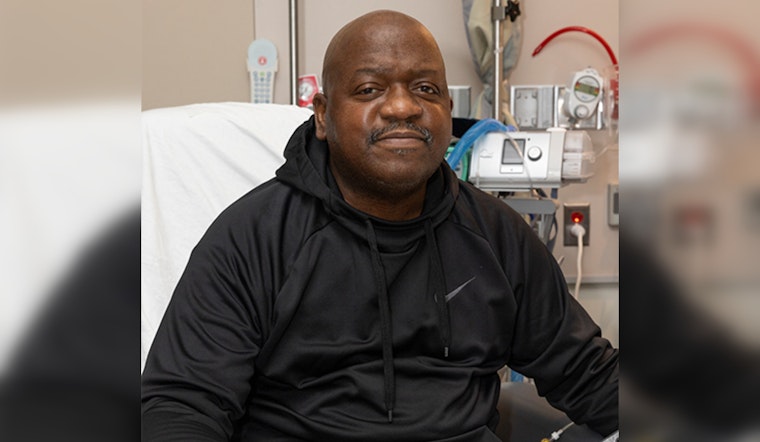
Rick Slayman, the 62-year-old Massachusetts man who made history by receiving the world's first pig kidney transplant, has died. Massachusetts General Hospital confirmed Slayman's death on Saturday, nearly two months after the groundbreaking procedure took place on March 21. Given his declining health due to hypertension, and Type 2 diabetes, Slayman had been a candidate for innovative medical solutions after his previous human kidney transplant, received in 2018, had begun to fail. The statement obtained by CBS News Boston emphasized that there was no evidence suggesting that his death was connected to the transplant.
The hospital, in a recent statement, said, "The Mass General transplant team is deeply saddened at the sudden passing of Mr. Rick Slayman. We have no indication that it was the result of his recent transplant. Mr. Slayman will forever be seen as a beacon of hope to countless transplant patients worldwide and we are deeply grateful for his trust and willingness to advance the field of xenotransplantation. We offer our heartfelt condolences to Mr. Slayman's family and loved ones as they remember an extraordinary person whose generosity and kindness touched all who knew him,"
According to Boston 25 News, the transplant was part of a compassionate use protocol from the FDA for patients with no other treatment options. The surgical team at Massachusetts General, led by Drs. Tatsuo Kawai, Nahel Elias, and Leonardo Riella, performed the procedure which involved transplanting a genetically edited pig kidney, with numerous genomic edits, into Slayman after hours of surgery. After being discharged on April 3, Slayman expressed his gratitude towards the care he received and the physicians of Mass General Brigham health system.
In their own words, Slayman's family offered an intimate glimpse into the character and influence of their loved one, "After his transplant, Rick said that one of the reasons he underwent this procedure was to provide hope for the thousands of people who need a transplant to survive. Rick accomplished that goal and his hope and optimism will endure forever. His legacy will be one that inspires patients, researchers, and health care professionals everywhere," This sentiment was echoed in a statement given to CBS News Boston.





