

























































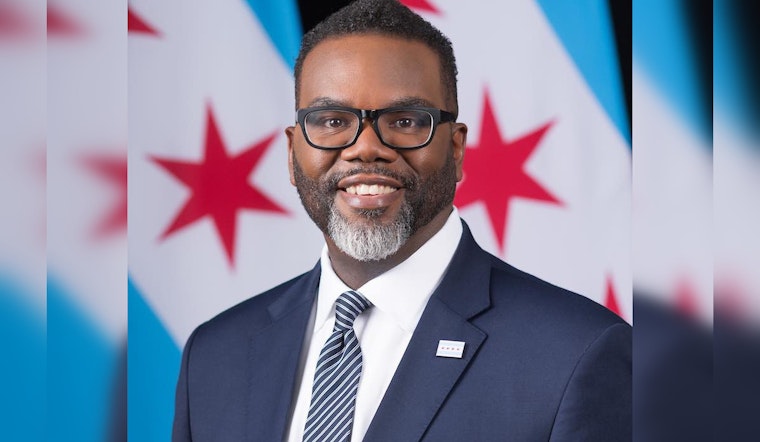
Chicago's newly minted Mayor Brandon Johnson is moving swiftly to make good on campaign promises, initiating a city-wide expansion of mental health services with the planned reopening of multiple public clinics. In an announcement set for Thursday, Johnson is expected to detail the reopening of a shuttered Roseland clinic and the introduction of additional services in Pilsen and West Garfield Park. This move stands in sharp contrast to prior administrations, marking a turning point in the city's approach to mental health—now favoring public operations over the privatized models in place for the past decade.
The move to reopen the clinics and expand services is considered a first, concrete step to deliver on Johnson's "Treatment Not Trauma" plan, which he vigorously promoted during his campaign. He is set to revitalize the Roseland clinic by the end of the year, with further service expansions to follow in Pilsen and West Garfield Park as soon as June, according to the Chicago Tribune. The announcement serves as a beacon of hope for activists and community members long critical of the city's disinvestment in mental healthcare.
Prior Chicago administrations, particularly under former Mayor Rahm Emanuel, faced severe backlash for shuttering six of the city's mental health clinics in 2011, triggering protests and ongoing advocacy for their return. In a striking change of pace, Johnson's administration is looking to reverse the downsizing trend. "For me this work is personal," Johnson said, recalling the struggle of his late brother with mental illness and addiction, as reported by the Tribune.
Even before taking office, Johnson was vocal about his commitment to mental health, echoing sentiments from trailblazers like Jane Addams and Rev. Jesse Jackson in his inaugural address. He pledged to ensure that "no one ever has to suffer because they do not have access to mental health services," a commitment he is now acting upon. Meanwhile, his administration is already working to staff up the clinics, having changed the city's sluggish hiring procedures to bring on about 20 clinical workers since January, the Tribune revealed.
The administration's vision not only includes the reopening of clinics but also aims to expand the city's non-police behavioral health crisis response teams. Ald. Rossana Rodriguez-Sanchez, a key supporter of the Treatment Not Trauma campaign, hailed the move as a "new beginning for mental health care in the city of Chicago," as detailed by the Tribune. As for funding, Johnson's recent budget earmarked $5.2 million for new clinics, and plans call for a budget increase to $36.5 million for mental health services by 2026.
These developments occur amid broader issues facing the city, such as its response to the migrant crisis. Johnson has made clear his intention to balance the revitalization of neglected neighborhoods with the capacity to provide for newcomers seeking refuge. "We don’t want the story to be told that we were unable to house the unhoused or provide safe harbor for those who are seeking refuge here, because there is enough room for everyone in the city of Chicago," Johnson said in his inaugural address, according to Block Club Chicago. This statement reflects the new mayor's approach to tackling the city's most pressing challenges, with a focus on collaborative and inclusive policy.



