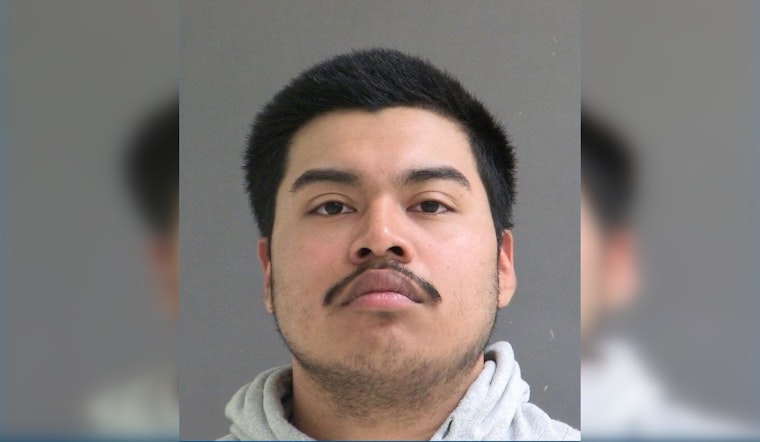
In a move considered uncommon within Oregon's legal landscape, a young man has been sentenced to over six years behind bars for his part in a fatal fentanyl overdose that claimed the life of a Washington County teen. Jair Leyva Noriega, 21, will serve 75 months for manslaughter in the second degree and unlawful delivery of a Schedule II controlled substance to a minor, as reported by the Washington County District Attorney's Office. This term is to follow an unrelated 13-month sentence for domestic violence-related charges.
The sentencing stemmed from two separate transactions in June 2023, where Noriega sold the lethal pills to the 17-year-old. After the first sale, Noriega had, according to the district attorney's office, warned the teen to "take it slow" with the potent drugs because he had put "good money" into them. Days later, the boy was found dead in his home by his grandparents. The cause of death was acute fentanyl toxicity.
The case has garnered attention due to its rarity in Oregon, where there is no specific statute addressing the culpability of drug dealers in overdose deaths. However, Kevin Barton, Washington County District Attorney, voiced a firm stance on the matter. "Holding drug dealers accountable for the harm they cause in our community is a priority," Barton said, "While many of Oregon’s laws were enacted long before the current fentanyl crisis, we are finding ways to apply old laws to new challenges. Sending dangerous drug dealers to prison will save lives," as reported by KGW.com.
The Westside Interagency Narcotics Team conducted the investigation leading to Noriega's arrest. While Oregon law may not yet be tailored to the present crisis, cases like this demonstrate an, evolving approach to drug-related offenses. The Washington County District Attorney's office acknowledged only two other manslaughter convictions under similar circumstances, one also in Washington County and another in Linn County, highlighting the rarity of such outcomes, according to KPTV.com.
Jair Leyva Noriega's collective 88-month sentence brings the gravity of the fentanyl epidemic into the confines of the criminal justice system, showcasing both the personal tragedies and the legal challenges that accompany the fight against drug-related deaths. This case underlines the intersection of outdated legislation and modern-day drug wars, with prosecutors navigating anachronistic statutes to bring dealers like Noriega to account, as noted in the information obtained from Hillsboro News-Times.