

























































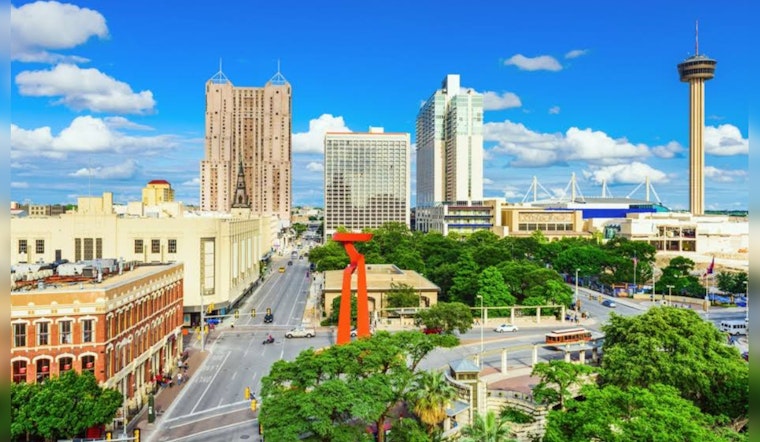
San Antonio is shifting gears on urban transit, having just doubled the amount of e-vehicle permits for hire within downtown's buzzing streets, according to a recent report. In a move that signals a growing acceptance of e-cars as a staple in the microtransit sector, this Texas city approved an increase from 10 to 20 the number of permits for eco-friendly vehicles that zip through its metropolitan avenues.
After deliberations, the Transportation Advisory Board—split on the divisive issue of how many permits to grant—suggested a jump to 30 permits. Yet, amidst concerns from the San Antonio Police Department's Ground Transportation Unit on potential market flooding and downtown traffic congestion, the actual increase was curtailed to merely 10 additional permits as of April 29, as San Antonio Report detailed.
The change in the city's transportation guidelines creates a wider lane for companies like SAGo, E-GO Ride, Dest, and Austin's eCab of North America, each holding a quarter of the available permits to operate their services. eCab of North America notably oversees The Little Runner, a pilot initiative assisting UTSA students in navigating the downtown college terrain. However, this program is up against a timeline, with its permits expiring come August 30 and its future hinging on a Transportation Advisory Board review, as noted by Centro San Antonio.
The latest distribution of permits on Monday was immediately followed by an announcement from Centro SA on the expansion of its pilot program; now, residents, workers, and tourists can hitch a free ride on parts of downtown San Antonio. "General ridership will provide necessary data for the remaining months," proclaimed Centro SA, in spite of existing operators like SAGo already collecting valuable microtransit usage stats to gauge the program's impact and efficiency.





