

























































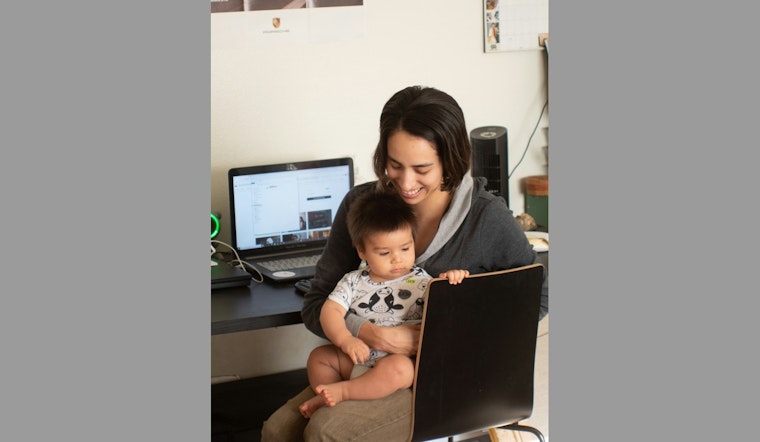
For new mothers, heading back to the grind after giving birth is no walk in the park. But, support from colleagues, otherwise known as "allyship," can make a world of difference in boosting job satisfaction and overall well-being. A study spearheaded by Nitya Chawla, Professor at the Carlson School of Management, zeroes in on this support system, emphasizing its benefit, not just to individual mothers, but to the workplace at large.
The research, which involved both qualitative feedback from 45 mothers, and a follow-up study with 155 postpartum mothers, laid out four clear-cut forms of allyship: help navigating HR policies, creating mother-friendly workspaces, affirmations of their professional role, and, recognitions of their new maternal status. “In a country that lacks paid federal leave, working mothers are often forced to return to work far before they are ready — a significant factor in influencing women’s decisions to leave the labor force,” said Chawla, in a statement acquired by Twin Cities UMN.
It turns out, a little goes a long way. The received allyship from coworkers not only upped these mothers' confidence in juggling work and baby, but it also squashed the guilt often felt over not measuring up to some impossible standard. Even the nagging urge to ditch the job and stay home took a nosedive among those basking in workplace support. Embracing a posture of allyship, it seems, has the power to anchor mothers firmly within the workforce, contrary to the outdated myth that babies in the picture spell a professional full stop.
The drip effect of such supportive gestures extends further, reaching the ominous tides of postpartum depression. The study finds allyship as an effective balm, soothing the stress lines of re-entry into the workplace for new mothers. Chawla's study confirms that by fostering an inclusive environment where professional and maternal identities are not at odds, organizations don't just retain valuable employees; they nurture healthier, more engaged, and resilient teams.
As per Chawla's findings, businesses have the opportunity—nay, some might argue, a responsibility—to step up their game when federal safety nets fall short. After all, the long-term benefits of keeping working moms in the workforce echo well beyond the corporate echo chambers and into the broader societal framework. And perhaps, just perhaps, this grassroots version of change could one day pave the way for a more sustainable model of work-life symbiosis, where going back to the office postpartum doesn't have to be a dreaded rite of passage.





