

























































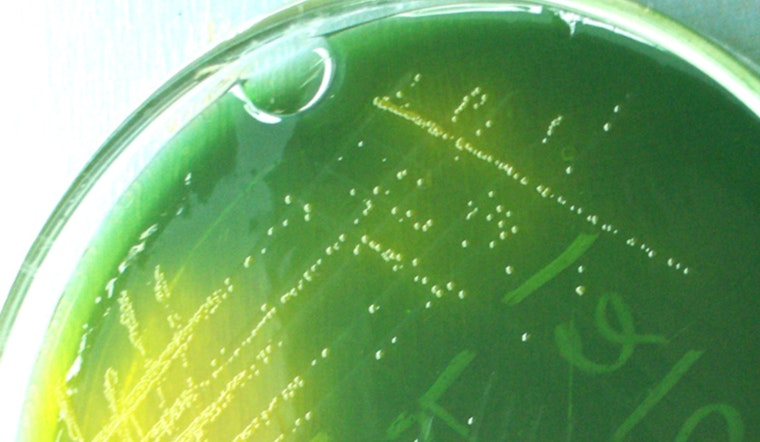
Researchers at The University of Texas at Austin have uncovered the unique defense mechanism of the cholera strain responsible for the ongoing seventh global pandemic, which has perplexed scientists for its obstinacy against evolutionary forces. According to a study published in Nature, this particular strain of Vibrio cholerae thrives by neutralizing plasmids—a driving force in microbial evolution—via a two-part immune system. Jack Bravo, a postdoctoral researcher and one of the authors, revealed that this defense is "unique to this strain," and is likely the reason behind its dominance and persistence.
Despite the general understanding of bacterial evolution, Vibrio cholerae's ability to sideline plasmids, which introduces genetic change and challenges, remained a puzzle until now. Bravo and his team utilized laboratory analysis and cryo-electron-microscope imaging to unravel this mystery. The World Health Organization reports that annually, cholera impacts between 1.3 and 4 million people, and causes up to 143,000 deaths, predominantly in areas with substandard sanitation and water services. The Texas researchers' discovery could prompt a new direction for medical interventions.
As per the University of Texas report, David Taylor, associate professor of molecular biosciences at UT and co-author of the paper, highlighted the potential implications of their findings: "This unique defense system could be a target for treatment or prevention." He suggests that by disarming or turning the bacteria's own system against it, a more effective strategy against this lethal microbe could emerge. The identified defense consists of a protein that pinpoints plasmid DNA with a high degree of accuracy, and, is complemented by an enzyme that disassembles the plasmid's DNA strands.
The comparison to CRISPR-Cascade complexes is notable since these too are derived from bacterial immune systems and have spawned revolutionary gene-editing technologies. The broader impact of this study carries with it echoes of the CRISPR breakthroughs. As for the cholera-fighting research, funding was provided by the National Institute of General Medical Sciences of the National Institutes of Health, and a Welch Foundation research grant, the team behind the discovery includes Delisa A. Ramos, Rodrigo Fregoso Ocampo, and Caiden Ingram from UT.





